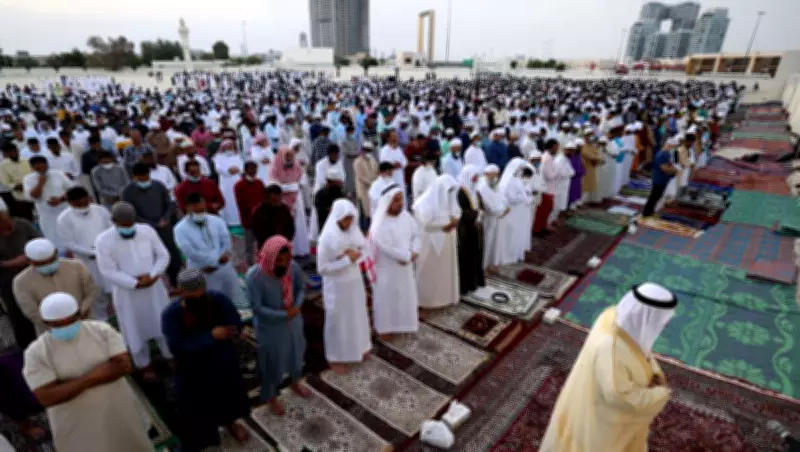
UAE Implements Strict Safety Measures for Eid al-Fitr 2026
The United Arab Emirates has announced a significant decision to ban all outdoor prayer gatherings for Eid al-Fitr in 2026. This move is a direct response to escalating regional tensions and the looming threat of potential Iranian strikes, aiming to prioritize the safety and security of civilians across the nation.
Heightened Security Concerns Prompt Unprecedented Ban
Authorities in the UAE have cited credible intelligence reports indicating increased risks of aerial attacks or other hostile actions from Iran during the festive period. Eid al-Fitr, which marks the end of Ramadan, traditionally involves large congregations in open spaces such as parks, squares, and mosques' courtyards. However, the government has determined that these gatherings could become targets, necessitating a shift to indoor venues only.
This ban represents a proactive measure to mitigate any potential casualties or disruptions during one of the most important religious observances in the Islamic calendar. Officials have emphasized that the decision was not taken lightly but is essential given the volatile geopolitical climate in the Middle East.

Impact on Religious Practices and Public Response
The prohibition will affect millions of residents and visitors who typically participate in outdoor Eid prayers. Instead, all prayers must be conducted within the confines of mosques, community centers, or other enclosed facilities that can be secured more effectively. The government has assured that adequate arrangements will be made to accommodate worshippers, including expanded capacities in indoor locations and enhanced security protocols.
Public reaction has been mixed, with many expressing understanding for the safety-first approach, while others lament the loss of traditional outdoor celebrations. Religious leaders have been urged to cooperate with authorities and communicate the changes to their congregations to ensure a smooth transition.
Broader Regional Context and Diplomatic Implications
This development occurs against a backdrop of ongoing conflicts and diplomatic strains between Iran and various Gulf states, including the UAE. Iranian strikes or threats have been a recurring concern in recent years, influencing security policies across the region. The UAE's decision underscores the broader challenges faced by nations in balancing religious freedoms with national security imperatives.
Key aspects of the ban include:
- Complete prohibition of outdoor Eid al-Fitr prayer gatherings in 2026.
- Mandatory relocation of all prayers to indoor, secure venues.
- Enhanced surveillance and security measures around prayer sites.
- Public awareness campaigns to inform residents about the new regulations.
As the situation evolves, the UAE government has stated that it will continuously assess the threat level and may adjust policies accordingly. This ban highlights the increasing intersection of security concerns with cultural and religious practices in today's global landscape.