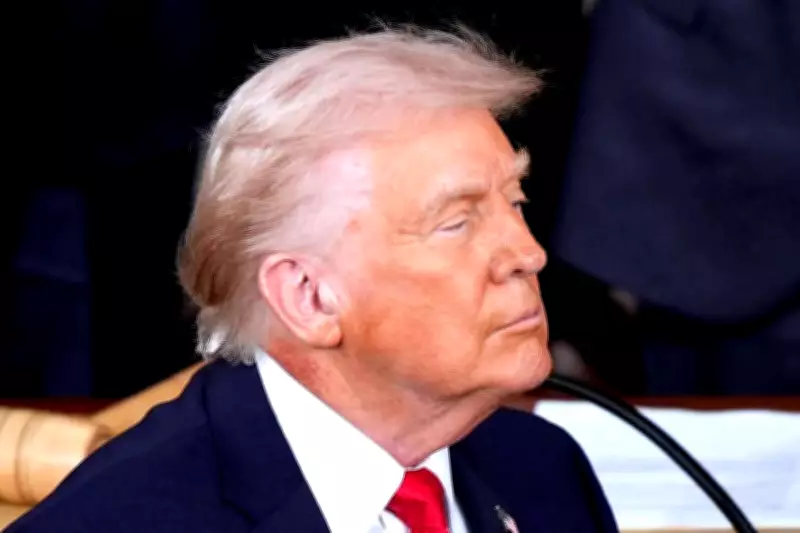
Trump Declares 'Too Late' for Iran Talks as US-Israel Strikes Escalate Conflict
Former United States President Donald Trump has made a stark declaration, asserting that it is now "too late" for diplomatic talks with Iran. This statement comes amid a significant escalation in military actions, with recent strikes conducted by the US and Israel intensifying the ongoing conflict in the Middle East. The situation underscores a deepening crisis as tensions flare in the region.
Escalation of Military Strikes
The conflict has seen a notable increase in military engagements, with both the United States and Israel launching targeted strikes. These actions are part of a broader strategy to counter perceived threats from Iran and its proxies. The strikes have reportedly aimed at key infrastructure and militant positions, leading to heightened instability and concerns over a wider regional war.
Trump's firm stance reflects a shift away from diplomatic avenues, emphasizing a more confrontational approach. In his view, the window for peaceful negotiations has closed due to Iran's continued aggression and non-compliance with international agreements. This perspective aligns with his previous policies during his presidency, which often favored military action over dialogue.

Impact on Regional Stability
The escalation of strikes by the US and Israel has had immediate repercussions on regional stability. Neighboring countries are on high alert, with fears of spillover effects and increased violence. The conflict threatens to disrupt global oil supplies and exacerbate humanitarian crises, as civilian populations bear the brunt of the hostilities.
Analysts warn that this escalation could lead to a protracted conflict, drawing in other nations and destabilizing the entire Middle East. The lack of diplomatic engagement, as highlighted by Trump's comments, raises concerns about the potential for further military confrontations without a clear path to de-escalation.
Historical Context and Future Implications
This development is rooted in longstanding tensions between Iran and Western powers, particularly the US and Israel. Historical disputes over nuclear programs, regional influence, and support for militant groups have fueled decades of conflict. Trump's declaration signals a hardening of positions, potentially setting the stage for more aggressive postures from all sides.
Looking ahead, the international community faces critical challenges in managing this crisis. Key points include:
- The need for renewed diplomatic efforts to prevent full-scale war.
- The role of global powers in mediating conflicts and ensuring regional security.
- The humanitarian impact on affected populations, requiring urgent aid and support.
As the situation evolves, the world watches closely, hoping for a resolution that prioritizes peace and stability over further escalation. Trump's words serve as a reminder of the high stakes involved in this volatile region.