

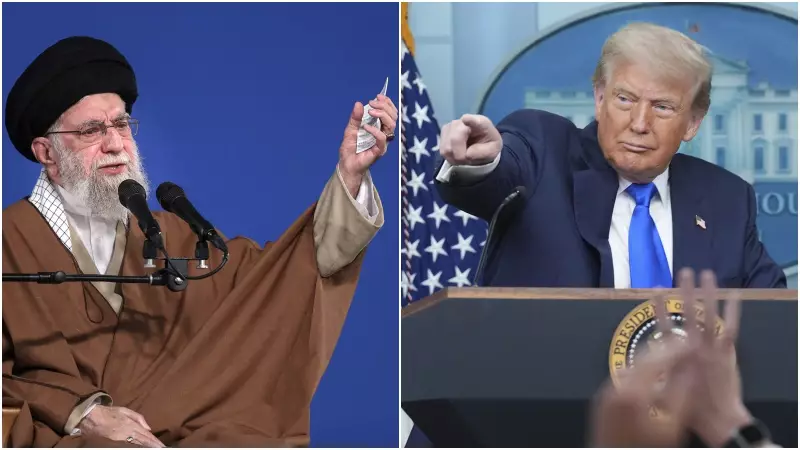
Trump Escalates Rhetoric Against Iran, Vows Military Action and Stricter Nuclear Deal
In a bold and provocative statement, former United States President Donald Trump has issued a direct threat of military action against Iran, should he return to the White House. This declaration comes as part of his demands for a significantly tougher nuclear agreement, marking a sharp escalation in tensions between the two nations. Trump's comments have reignited fears of renewed conflict in the already volatile Middle East region, where geopolitical stakes remain high.
Trump's Hardline Stance on Iran's Nuclear Program
During a recent public address, Trump emphasized his intention to pursue a more aggressive foreign policy towards Iran if he secures another term in office. He criticized the existing nuclear deal, formally known as the Joint Comprehensive Plan of Action (JCPOA), which was negotiated during the Obama administration and later abandoned by Trump in 2018. According to Trump, the current framework is "weak and ineffective," failing to adequately curb Iran's nuclear ambitions or address broader security concerns.
Trump outlined his vision for a revised deal, insisting on terms that would impose stricter limitations on Iran's nuclear activities, including enhanced monitoring and verification measures. He argued that such an approach is necessary to prevent Iran from developing nuclear weapons, a goal he described as non-negotiable for global stability. His remarks underscore a persistent hawkish stance that has characterized his previous tenure, where he prioritized maximum pressure campaigns against adversarial states.

Threat of Military Action and Regional Implications
Perhaps the most alarming aspect of Trump's statement was his explicit threat of military intervention. He warned that if diplomatic efforts fail to yield a satisfactory agreement, the United States would not hesitate to use force to neutralize Iran's nuclear capabilities. This threat adds to the already heightened tensions in the Middle East, where conflicts involving proxy groups and regional powers have frequently drawn in international actors.
Analysts suggest that Trump's rhetoric could further destabilize the region, potentially prompting retaliatory actions from Iran or its allies. The threat of military action raises concerns about the risk of a broader war, which could have devastating humanitarian and economic consequences. Moreover, it complicates ongoing diplomatic efforts by current US administrations and international partners to revive or renegotiate the nuclear deal through peaceful means.
Global Reactions and Future Prospects
Trump's comments have elicited mixed reactions worldwide. Supporters applaud his tough stance as a necessary deterrent against Iranian aggression, while critics warn that such threats could undermine diplomacy and escalate conflicts unnecessarily. The international community, including key players like European nations and Russia, is closely monitoring the situation, as any shift in US policy towards Iran could significantly impact global security dynamics.
Looking ahead, the prospect of a Trump presidency reintroducing military threats into US-Iran relations poses challenges for nuclear non-proliferation efforts. It highlights the ongoing debate over the best approach to manage Iran's nuclear program—whether through coercive measures or diplomatic engagement. As the political landscape evolves, stakeholders must navigate these complexities to avoid further escalation and promote regional peace.






