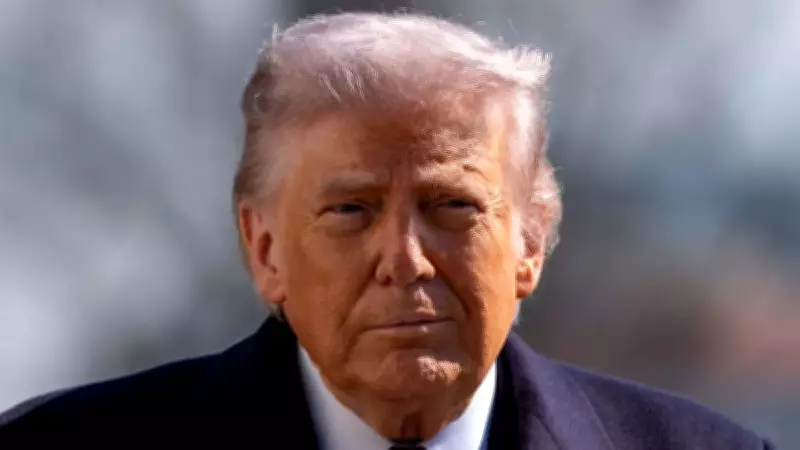
Trump Signals Possible Talks with Iran Amid Severe Middle East Unrest
In a development that has captured global attention, former US President Donald Trump has signaled the possibility of engaging in diplomatic talks with Iran. This comes as the Middle East region reels under severe and escalating unrest, with tensions reaching a critical point that threatens to destabilize the broader area.
Context of the Middle East Crisis
The Middle East is currently experiencing one of its most turbulent periods in recent history. Widespread protests, political instability, and economic hardships have fueled a wave of unrest across several nations. Countries such as Syria, Lebanon, and Yemen are grappling with internal conflicts, while regional powers like Saudi Arabia and Israel are closely monitoring the situation, concerned about the potential spillover effects.
This severe unrest has not only impacted local populations but also drawn significant international scrutiny. Global leaders and organizations are calling for urgent measures to address the humanitarian crises and prevent further escalation. The United Nations has expressed deep concern over the deteriorating conditions, emphasizing the need for peaceful resolutions and diplomatic interventions.

Trump's Diplomatic Overture
Amid this backdrop, Donald Trump, a key figure in US foreign policy during his presidency, has hinted at the possibility of initiating talks with Iran. In recent statements, Trump suggested that diplomatic engagement could be a viable path forward, marking a potential shift from his previous hardline stance towards the Iranian government.
This signal is particularly noteworthy given the historical tensions between the US and Iran, which have been exacerbated by issues such as nuclear agreements, regional proxy conflicts, and economic sanctions. During Trump's tenure, the US withdrew from the Iran nuclear deal and imposed stringent sanctions, leading to heightened animosity. However, his current remarks indicate a willingness to explore dialogue, possibly as a means to de-escalate the Middle East unrest.
Implications for Regional and Global Stability
The prospect of US-Iran talks carries significant implications for regional and global stability. If pursued, such diplomatic efforts could:
- Help reduce tensions in the Middle East by addressing core issues like nuclear proliferation and regional conflicts.
- Foster cooperation on humanitarian aid and economic recovery in affected areas.
- Influence other international actors, such as European nations and China, to engage more actively in peace-building initiatives.
However, challenges remain. Iran's internal politics, ongoing unrest in neighboring countries, and the complex web of alliances in the region could hinder progress. Moreover, Trump's political influence and the current US administration's stance will play crucial roles in determining the feasibility of these talks.
Global Reactions and Future Outlook
Reactions to Trump's signals have been mixed. Some analysts view it as a positive step towards conflict resolution, while others remain skeptical, citing past failures in US-Iran diplomacy. Global leaders are closely watching the situation, with many urging caution and emphasizing the need for inclusive and transparent negotiations.
As the Middle East continues to reel under severe unrest, the international community faces a critical juncture. The potential for US-Iran talks offers a glimmer of hope, but it requires careful navigation and commitment from all parties involved. Moving forward, the focus will likely be on whether these signals translate into concrete actions that can alleviate the crisis and pave the way for lasting peace in the region.