Trump Declares No Tolls on Hormuz During Ceasefire
President Donald Trump announced on Saturday that the United States will not impose tolls on vessels transiting the Strait of Hormuz during the current ceasefire with Iran. However, he left the door open for future charges if nuclear negotiations fail, citing the high cost of maintaining security in the strategic waterway.
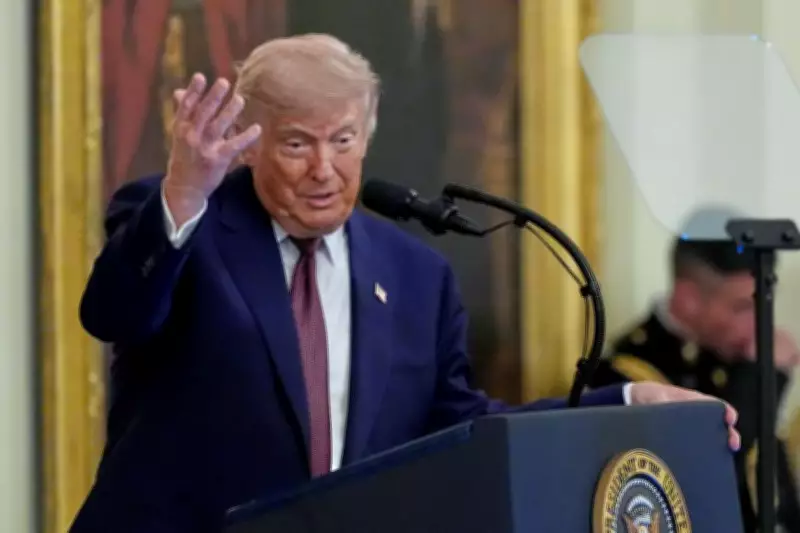
Speaking at a press conference in Washington, Trump stated, "We are not going to charge anyone for passing through the Strait of Hormuz right now. But if the talks with Iran fall apart, all options are on the table, including fees for the protection we provide." The decision marks a temporary reprieve for global oil markets, which had feared new tariffs on the critical chokepoint.
Details of the Announcement
The Strait of Hormuz, through which about 20% of the world's oil passes, has been a flashpoint in US-Iran tensions. Trump's comments came amid a 60-day ceasefire agreement reached last month, aimed at restarting negotiations over Iran's nuclear program. The US has long argued that it bears disproportionate costs for ensuring freedom of navigation in the region.

According to a White House official, the administration has spent over $1.5 billion annually on naval patrols in the Persian Gulf. "The president believes it's only fair that beneficiaries of this security contribute," the official said, speaking on condition of anonymity.
Impact on Global Markets and Diplomacy
The announcement was met with cautious optimism by oil traders. Crude prices dipped slightly on the news, with Brent crude falling 0.8% to $72.34 per barrel. Analysts at Goldman Sachs noted that the removal of immediate toll threats removes a near-term risk premium from oil prices.
Iranian Foreign Minister Mohammad Javad Zarif responded on Twitter, calling the statement a "positive step" but warning that any future tolls would be "a violation of international law." He added, "The Strait of Hormuz is an international waterway, and no country has the right to impose unilateral fees."
Future Contingencies
Trump emphasized that the decision is contingent on progress in nuclear talks. "If Iran doesn't come to the table with a serious offer, we will have no choice but to protect our interests and those of our allies," he said. The administration is reportedly drafting a proposal that would charge tankers based on their cargo value, with revenues earmarked for maritime security.
Senator Lindsey Graham (R-SC) voiced support for the president's position, stating, "We cannot continue to subsidize the world's energy security. Iran must either comply or face consequences." Meanwhile, Democratic critics accused Trump of using the ceasefire as leverage to impose what they called a "tax on global trade."
The situation remains fluid, with the next round of US-Iran talks scheduled for July in Vienna. Until then, the Strait of Hormuz will remain toll-free, but the threat of future charges looms large.