

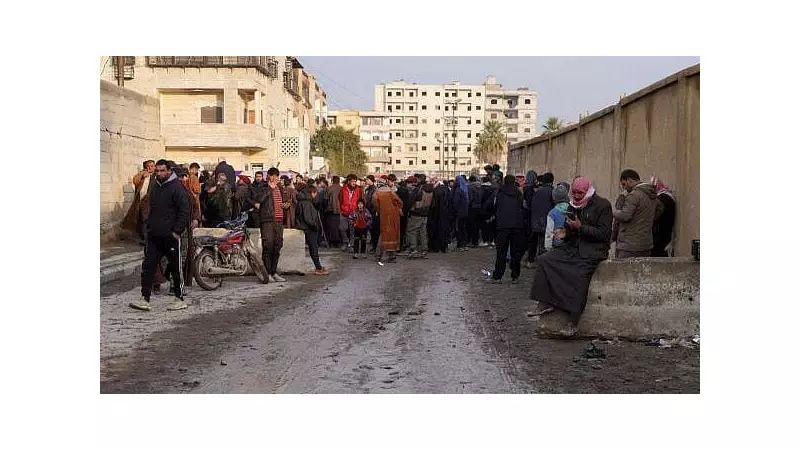
Syria Extends Ceasefire with Kurdish Forces by 15 Days Amid Regional Tensions
In a significant development aimed at de-escalating ongoing conflicts, Syria has officially extended its ceasefire agreement with Kurdish-led forces for an additional 15 days. This move comes as part of broader efforts to reduce hostilities and foster a more stable environment in the war-torn region, which has been plagued by violence for years.
Background and Context of the Ceasefire Extension
The ceasefire, initially established to curb clashes between Syrian government troops and Kurdish militias, has been renewed to provide a temporary respite from the fighting. Kurdish forces, primarily represented by the Syrian Democratic Forces (SDF), have been key players in the complex geopolitical landscape of Syria, often caught between various factions including the Syrian regime, rebel groups, and international actors.
This extension reflects ongoing diplomatic maneuvers and negotiations behind the scenes, highlighting the fragile nature of peace in the area. It is seen as a cautious step towards potential longer-term agreements, though challenges remain due to deep-seated political and ethnic divisions.

Implications for Regional Stability and International Relations
The 15-day extension of the ceasefire could have far-reaching implications for regional stability in the Middle East. By reducing immediate hostilities, it may create a window for humanitarian aid to reach affected populations and for further dialogue between the involved parties. However, analysts warn that without addressing underlying issues such as autonomy demands from Kurdish groups and Syria's internal governance, any ceasefire might be short-lived.
Internationally, this development is being closely monitored by global powers with interests in the region, including the United States, Russia, and Turkey. Their reactions and potential interventions could influence the ceasefire's success or failure, adding another layer of complexity to the situation.
Challenges and Future Prospects
Despite the ceasefire extension, several challenges persist. These include sporadic violations by smaller militant groups, logistical hurdles in implementing peace terms, and the broader context of Syria's civil war, which involves multiple stakeholders with conflicting agendas. The Kurdish forces, while part of the ceasefire, continue to advocate for greater rights and recognition within Syria's political framework.
Looking ahead, the next 15 days will be critical in determining whether this ceasefire can pave the way for more sustainable peace initiatives. Stakeholders are urged to use this period constructively to address core grievances and build trust, potentially setting a precedent for future conflict resolution efforts in the region.






