

Middle East Tensions Escalate as Gulf Allies Take Steps Toward Iran Conflict
As the war enters its 25th day of heightened tensions in the Middle East, Saudi Arabia and the United Arab Emirates have reportedly initiated tentative actions that could draw them closer to the Iran conflict, signaling a potential escalation in the volatile region. These developments come amid ongoing hostilities involving Israel, Iran, and the United States, with recent attacks and diplomatic maneuvers shaping the geopolitical landscape.
Saudi Arabia Grants US Military Access to Key Air Base
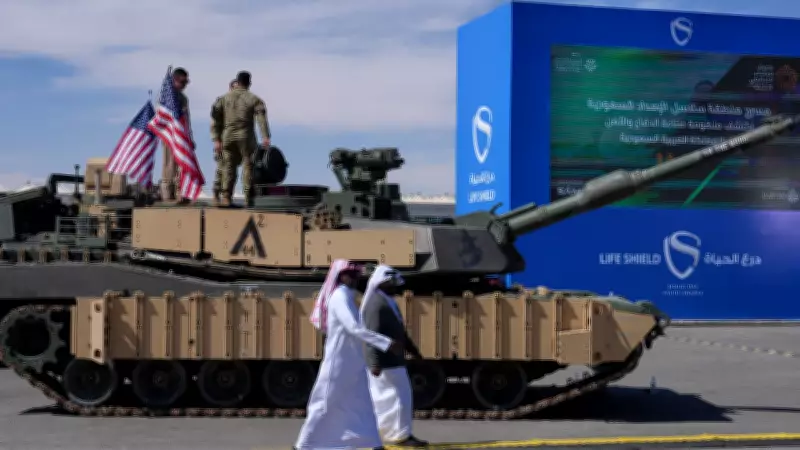
According to a report by The Wall Street Journal, Saudi Arabia has agreed to grant the US military access to King Fahd Air Base. This move represents a notable shift in policy, as Saudi Arabia had previously stated that its territory would not be used for strikes against Iran. The decision underscores growing alignment with US strategic interests in the region and could facilitate military operations if tensions further intensify.
UAE Cracks Down on Iranian-Linked Assets
In a parallel development, the UAE has taken steps to curb support networks tied to Tehran by moving against Iranian-linked assets. The report indicates that the UAE has shut down an Iranian-owned hospital and club, actions viewed as efforts to limit Iran's influence and operational capabilities within the Gulf state. These measures reflect the UAE's increasing frustration with Iran's regional activities and its alignment with broader US-led initiatives.

Regional Footprint Expands with Missile Launches from Bahrain
Separately, videos cited by the newspaper appear to show missiles used in attacks on Iran being launched from Bahrain. This suggests a broader regional footprint in the conflict, implicating additional Gulf Cooperation Council members in the hostilities. The US military has declined to comment on whether it is receiving assistance from regional partners, maintaining a stance of operational secrecy amid the sensitive situation.
Market Reactions and Economic Implications
The geopolitical moves have triggered swift reactions in financial markets. Crude oil prices inched higher as investors anticipated potential supply disruptions, while US stock-index futures gave up earlier gains, reflecting investor caution. The volatility underscores the economic stakes involved, with energy markets particularly sensitive to developments in the oil-rich Middle East.
Background of Escalating Hostilities
The actions by Washington's Gulf allies signal growing frustration with Iran, which has retaliated against US and Israeli strikes by targeting sites across neighboring countries. Israel's recent attack on an Iranian gas field prompted counterstrikes by Tehran on energy infrastructure across the Middle East. In response, US President Donald Trump rebuked Israel, which later stated it would avoid targeting energy facilities. Trump also indicated he was holding off on striking Iran's energy sector for five days, citing "major points of agreement" with Tehran, though the specifics remain unclear.
Diplomatic Efforts and Denials
Amid the escalating tensions, Axios reported that US envoy Steve Witkoff was in talks with Iranian parliament speaker Mohammad-Bagher Ghalibaf. However, Ghalibaf denied any negotiations, labeling such claims as aimed at manipulating oil markets. Iranian state media further stated that Washington had attempted indirect outreach in recent days but received no response from Tehran, highlighting the challenges in diplomatic engagement.
Analysis of Regional Dynamics
The involvement of Saudi Arabia and the UAE marks a significant evolution in the conflict, potentially drawing more Gulf states into direct confrontation with Iran. This could lead to a wider regional war, with implications for global energy security and international stability. The moves also reflect shifting alliances and the complex interplay of military, economic, and diplomatic factors in the Middle East.
As the situation continues to unfold, observers are closely monitoring for further escalations or breakthroughs in negotiations. The coming days will be critical in determining whether these tentative steps lead to a broader conflict or if diplomatic channels can de-escalate the tensions that have gripped the region for nearly a month.






