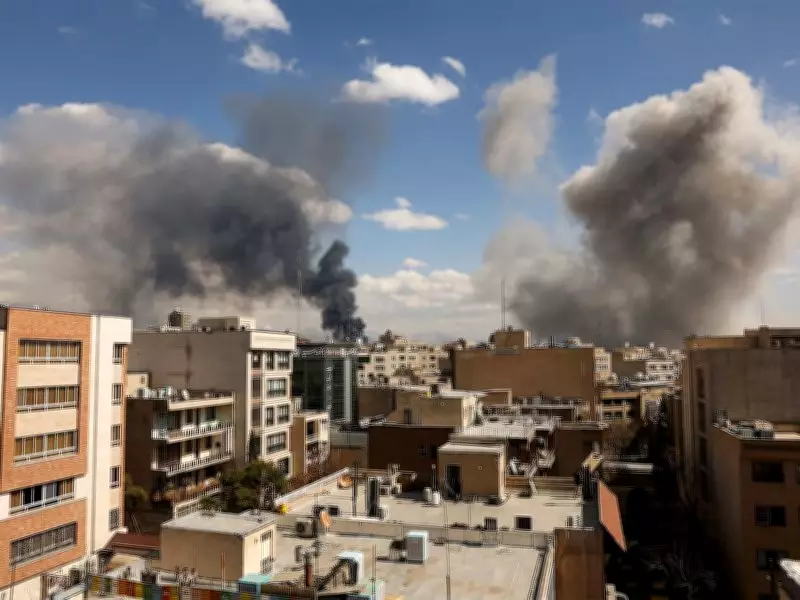
Saudi Arabia Intercepts 50 Drones, Israel Launches Missile Barrage on Tehran
In a significant escalation of regional tensions, Saudi Arabia successfully intercepted 50 drones targeting its territory, while Israel launched a fresh barrage of missiles on Tehran, Iran. These coordinated military actions highlight the volatile security situation in the Middle East, with both nations responding to perceived threats from Iran and its proxies.
Saudi Arabia's Drone Interception Operation
Saudi Arabia's air defense systems were activated to intercept and destroy 50 drones that were launched towards its territory. The drones, believed to be of Iranian origin or from Iran-backed groups, posed a direct threat to Saudi national security. The interception operation was carried out with precision, preventing any significant damage or casualties on Saudi soil. This incident underscores Saudi Arabia's ongoing concerns about drone attacks, which have become a common tactic in regional conflicts, particularly from Houthi rebels in Yemen who are supported by Iran.
Israel's Missile Barrage on Tehran
Simultaneously, Israel launched a fresh barrage of missiles targeting Tehran, Iran's capital. This aggressive move is seen as a direct response to Iran's continued support for militant groups and its nuclear program, which Israel views as an existential threat. The missile strikes aimed at key military and infrastructure sites in Tehran, signaling Israel's willingness to take preemptive action to neutralize threats. This escalation follows a series of covert operations and cyberattacks between the two nations, raising fears of a broader conflict in the region.

Regional Implications and International Response
The dual incidents have heightened tensions across the Middle East, with potential implications for global oil markets and international diplomacy. Saudi Arabia and Israel, though not formally allied, share common security interests in countering Iran's influence. The international community, including the United States and European Union, has called for restraint, urging all parties to de-escalate and engage in diplomatic dialogue. However, with both sides demonstrating military resolve, the risk of further confrontations remains high, potentially destabilizing the entire region.
Key Points:
- Saudi Arabia intercepted 50 drones, preventing attacks on its territory.
- Israel launched missile strikes on Tehran, targeting Iranian assets.
- These actions are linked to ongoing tensions with Iran and its proxies.
- The incidents raise concerns about regional stability and international security.
As the situation unfolds, analysts warn that such military engagements could spiral into a larger conflict, affecting not only the Middle East but also global geopolitics. Both Saudi Arabia and Israel have emphasized their right to self-defense, but the lack of direct communication channels with Iran complicates efforts to reduce hostilities. The world watches closely, hoping for a diplomatic breakthrough to avert further violence.