

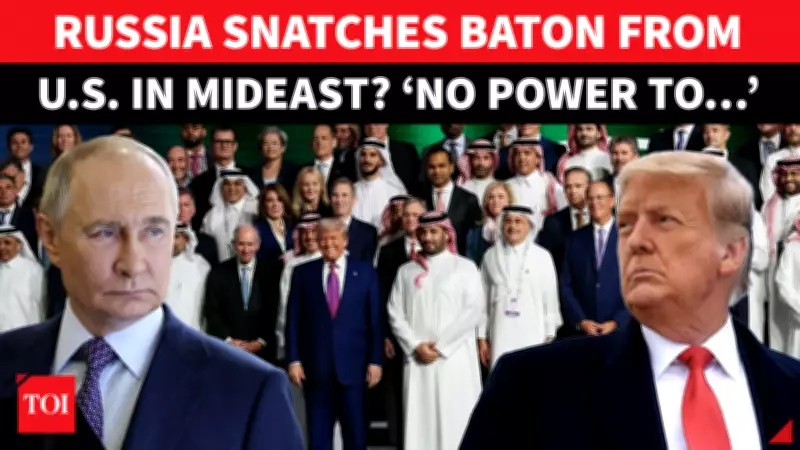
Russia Expands Middle East Influence, Offers Alternative to US Dominance
Russia is signaling a more assertive strategic role in the Middle East, positioning itself not just as a diplomatic mediator but as a potential alternative power center in a region long influenced by the United States. This move reflects a broader geopolitical shift as Moscow seeks to deepen its footprint across the Islamic world.
Lavrov Emphasizes Alignment with Islamic Cooperation
Russian Foreign Minister Sergey Lavrov has emphasized Moscow's alignment with members of the Organisation of Islamic Cooperation (OIC), highlighting efforts to strengthen engagement. The messaging underscores Russia's intent to present its approach as consultative and dialogue-driven, in contrast to what some regional actors view as coercive US policies.
This strategic outreach is part of a calculated effort to position Russia as a reliable partner in the Middle East. By fostering relationships with key Islamic nations, Moscow aims to build trust and influence in areas traditionally dominated by American diplomacy.

Contrasting Diplomatic Approaches
The Russian strategy focuses on presenting itself as an alternative to US influence, leveraging perceived dissatisfaction with American policies in the region. Lavrov's statements highlight a preference for multilateral dialogue and cooperation, which Russia claims offers a more balanced and respectful engagement model.
This approach is designed to appeal to Middle Eastern nations seeking diversified international partnerships. By emphasizing consultation over coercion, Russia aims to distinguish its foreign policy from that of the United States, potentially reshaping regional alliances.
Broader Implications for Global Power Dynamics
Russia's deepening Middle East outreach has significant implications for global power dynamics. As Moscow strengthens ties with Islamic countries, it challenges the longstanding US hegemony in the region, potentially altering diplomatic and economic landscapes.
The move could lead to increased competition for influence, with Russia offering an alternative framework for international relations. This development is closely watched by analysts, as it may signal a shift in how Middle Eastern nations engage with major powers, favoring more diversified and balanced partnerships.






