

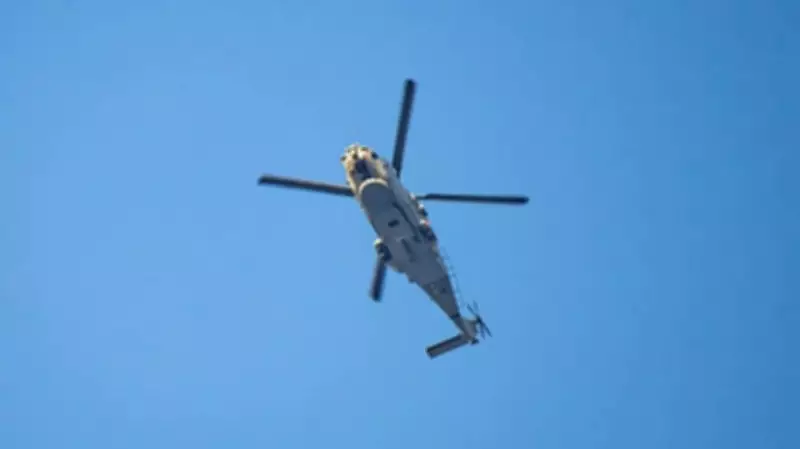
Seven Lives Lost in Qatar Helicopter Crash
A devastating helicopter crash in Qatar has resulted in the deaths of seven individuals, with authorities attributing the tragedy to a technical malfunction. The incident occurred during what was described as a routine flight operation, sending shockwaves through the aviation community and raising urgent questions about safety protocols in the region.
Details of the Fatal Incident
According to official reports, the helicopter was on a standard mission when it experienced a sudden and catastrophic failure. The crash site, located in a remote area of Qatar, was quickly secured by emergency responders, but all seven occupants were pronounced dead at the scene. The identities of the victims have not been released pending notification of their families, but it is believed they included both crew members and passengers involved in operational duties.
Authorities have confirmed that preliminary investigations point to a technical malfunction as the primary cause. While the exact nature of the mechanical failure remains under scrutiny, early findings suggest it may have involved critical systems that led to an uncontrollable descent. The helicopter, a model commonly used for various missions in the region, is now the subject of a thorough forensic analysis to determine the specific components that failed.

Response and Investigation Efforts
In the aftermath of the crash, Qatari authorities have launched a comprehensive investigation to uncover the root causes of the malfunction. Aviation experts and safety inspectors are examining maintenance records, flight data, and wreckage to piece together the sequence of events. This probe aims not only to provide answers to the grieving families but also to implement corrective measures to prevent similar incidents in the future.
The tragedy has prompted a review of helicopter safety standards across Qatar and neighboring countries. Officials are emphasizing the importance of regular maintenance checks and adherence to international aviation regulations. As part of the response, temporary groundings or inspections of similar helicopter models may be considered pending the investigation's outcomes.
Broader Implications for Aviation Safety
This crash underscores ongoing concerns about aviation safety in the Middle East, where helicopter operations are vital for transportation, surveillance, and emergency services. While Qatar has a generally strong safety record, incidents like this highlight the inherent risks in aviation and the need for continuous vigilance.
- Increased Scrutiny: The accident is likely to lead to heightened regulatory oversight and more frequent safety audits for helicopter fleets in the region.
- Community Impact: The loss of seven lives has deeply affected local communities and aviation professionals, sparking calls for enhanced training and technology upgrades.
- Global Attention: As news of the crash spreads, it may influence international discussions on helicopter safety standards and maintenance practices.
In conclusion, the Qatar helicopter crash serves as a somber reminder of the fragility of life and the critical importance of mechanical reliability in aviation. As investigations continue, the focus remains on honoring the victims and ensuring such tragedies are averted through improved safety measures and technological advancements.






