Airlines Reroute Amidst Post-War Recovery
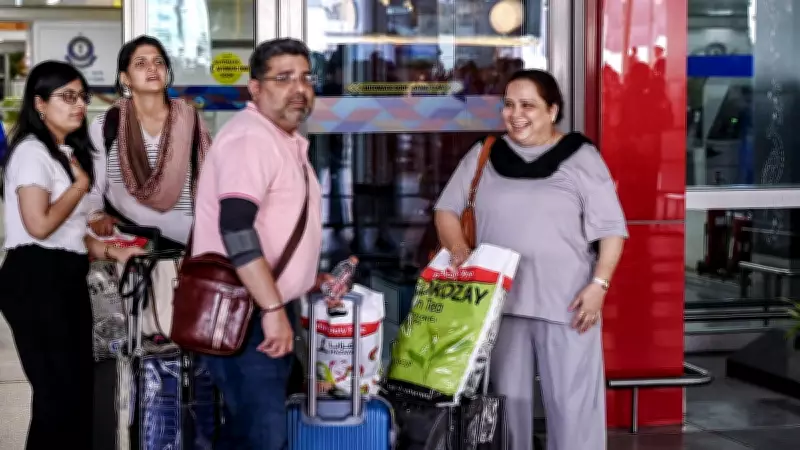
The conclusion of the conflict has triggered a major realignment of airline networks across the Middle East. Carriers are rapidly restoring suspended routes while adding new destinations to capitalize on shifting demand. Emirates and Etihad have announced expanded schedules to South Asia, particularly India, which saw a 40% increase in seat capacity in the first quarter after the ceasefire. According to aviation analyst John Strickland, 'The war forced airlines to innovate; now they are competing fiercely for market share in a reshaped landscape.' Low-cost carriers like IndiGo and Air Arabia are also launching flights to secondary Indian cities, tapping into the pent-up travel demand from the large Indian diaspora in the Gulf.
Economic Shifts in the Gulf Region
The post-war economy is undergoing a transformation, with Dubai emerging as a key hub for reconstruction finance and trade. The Dubai International Financial Centre reported a 15% rise in new company registrations in the first half of the year, many from Indian firms seeking to expand into the Middle East. Oil prices, which spiked during the conflict, have stabilized around $85 per barrel, providing fiscal breathing room for Gulf states. However, inflation remains a concern, with the UAE's consumer price index rising 3.2% year-on-year. The Indian rupee's depreciation against the dirham has squeezed remittances, which fell 5% in the last quarter, according to the Reserve Bank of India.
Indians in Dubai: A Community in Transition
The war has reshaped the lives of the 3.5 million Indians in the UAE, the largest expatriate community in the country. Many have faced job losses in sectors like hospitality and construction, but the recovery is creating new opportunities in technology and healthcare. The Indian Association Dubai noted a 20% increase in inquiries about skill-upgrading courses. 'The war made us realize the need for diversification,' said community leader Dr. Rajesh Sharma. 'Indians are now moving into knowledge-based roles, not just blue-collar jobs.' The Indian government has also launched a helpline to assist with legal and financial issues, addressing concerns about dual taxation and property rights.

Trade Routes and Supply Chains
The conflict disrupted traditional trade routes, but the aftermath has seen a surge in alternative corridors. The India-UAE trade pact, signed before the war, is now driving a 25% increase in non-oil trade, particularly in gold, textiles, and pharmaceuticals. Dubai's Jebel Ali Port has handled 10% more container traffic this year, with Indian exports of rice and spices rising sharply. However, shipping costs remain 30% higher than pre-war levels due to insurance premiums and rerouting. According to the Federation of Indian Export Organisations, 'The war taught us the importance of supply chain resilience. We are now diversifying logistics partners and investing in warehousing in Dubai.'
Tourism and Real Estate Bounce Back
Dubai's tourism sector is rebounding, with Indian visitors leading the recovery. In the first quarter of the year, Indian tourist arrivals reached 400,000, a 50% increase from the same period last year. The Dubai Department of Tourism attributes this to aggressive marketing campaigns and the reopening of theme parks. Real estate is also booming, with Indian investors accounting for 18% of property purchases in Dubai, up from 12% before the war. 'The conflict made people seek safe havens for their capital,' said real estate consultant Sarah Khan. 'Dubai's stability and high rental yields are attracting Indian buyers, especially in areas like Dubai Marina and Palm Jumeirah.'

Future Outlook: Challenges and Opportunities
Looking ahead, the post-war environment presents both challenges and opportunities for airlines, the economy, and Indians in Dubai. Airlines face rising fuel costs and labor shortages, but the demand for air travel is expected to grow 8% annually over the next five years. The UAE's economy is projected to expand by 4.5% in 2024, driven by non-oil sectors. For Indians in Dubai, the focus is on integration and long-term residency. The UAE's new golden visa scheme has already attracted 10,000 Indian professionals. As the region stabilizes, the Indian diaspora is poised to play a pivotal role in bridging the two economies, leveraging cultural ties and entrepreneurial spirit.