

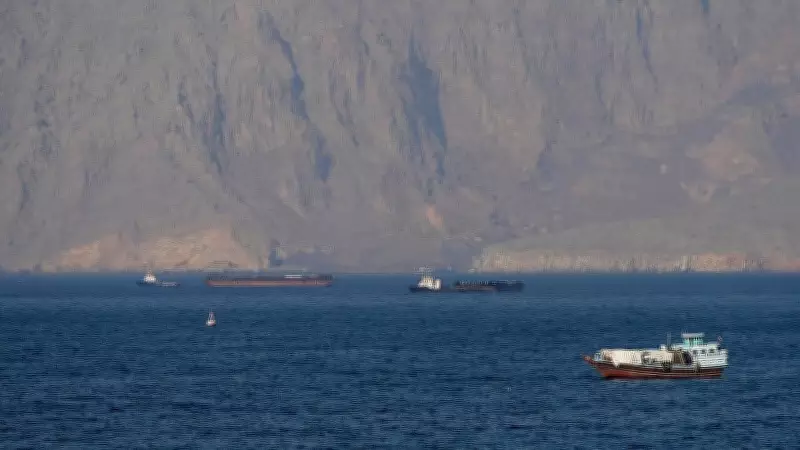
Oil Tanker Movements in the Strait of Hormuz Amid Regional Conflict
The strategic Strait of Hormuz, a critical maritime chokepoint for global oil shipments, has seen continued activity by non-Iranian oil tankers since the outbreak of the US-Israeli war with Iran on February 28, 2026. According to comprehensive data compiled by leading analytics firms LSEG and Kpler, these vessels have been navigating the narrow waterway, which handles approximately one-fifth of the world's oil supply, despite heightened geopolitical tensions in the region.
Tracking Cargo Destinations and Shipping Patterns
The data reveals a detailed breakdown of tanker traffic, categorized by cargo destinations, highlighting the resilience and adaptability of international shipping operations. Major global economies, including those in Asia, Europe, and the Americas, rely heavily on oil transported through this strait, connecting the Persian Gulf with the Gulf of Oman and beyond. The ongoing conflict has not halted these vital shipments, though it has introduced new layers of complexity and risk for maritime logistics.
Analysts note that shipping companies and oil traders have been closely monitoring the situation, implementing enhanced security measures and contingency plans. The ability of these tankers to continue operations underscores the global economy's dependence on Middle Eastern oil, even in times of regional instability. Factors influencing transit include:

- Insurance premiums and risk assessments for vessels passing through conflict zones.
- Diplomatic efforts to ensure safe passage and avoid escalations.
- Fluctuations in oil prices driven by supply chain uncertainties.
Implications for Global Energy Markets and Security
The persistence of tanker traffic through the Strait of Hormuz has significant implications for global energy security and economic stability. Any disruption in this corridor could lead to supply shortages, price spikes, and broader geopolitical repercussions. Data from LSEG and Kpler provides crucial insights into how the industry is navigating these challenges, offering a real-time snapshot of shipping resilience.
As the conflict continues, stakeholders from governments to private enterprises are urged to stay informed on developments. The situation remains fluid, with potential impacts on:
- International trade routes and maritime safety protocols.
- Energy policies and strategic reserves in oil-importing nations.
- Regional stability and diplomatic relations in the Middle East.
This analysis, last updated on April 20, 2026, at 11:24 IST, serves as a key resource for understanding the dynamics at play in one of the world's most vital shipping lanes during a period of heightened tension.






