

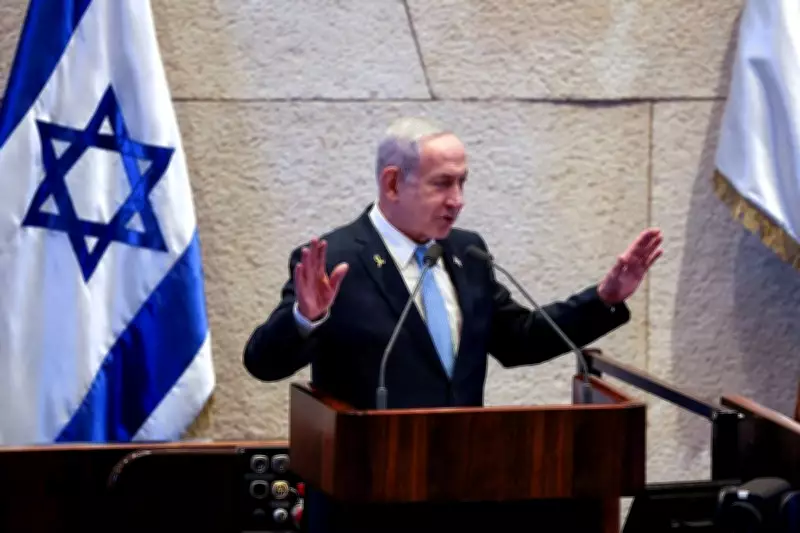
Netanyahu Greenlights Direct Negotiations with Lebanon to Support Ceasefire
In a significant diplomatic move, Israeli Prime Minister Benjamin Netanyahu has authorized the initiation of direct talks with Lebanon as soon as possible. This decision is seen as a strategic effort to bolster ongoing ceasefire initiatives and de-escalate tensions in the volatile Middle East region.
Immediate Talks Aimed at Reducing Hostilities
The authorization for direct negotiations comes amid heightened cross-border skirmishes and escalating rhetoric between Israel and Lebanon. Netanyahu's office has emphasized the urgency of these talks, stating that they are intended to address key security concerns and pave the way for a more stable ceasefire agreement. By engaging in direct dialogue, both nations hope to prevent further military confrontations and foster a climate conducive to peace.
This move represents a notable shift in Israel's approach to regional diplomacy, as direct talks with Lebanon have been rare in recent years due to longstanding political and territorial disputes. The decision underscores Netanyahu's commitment to exploring all avenues for conflict resolution, even as domestic and international pressures mount.

Boosting Ceasefire Efforts Amid Regional Instability
The authorization is expected to provide a substantial boost to ceasefire efforts that have been underway through various international mediators. Analysts suggest that direct negotiations could lead to more tangible outcomes, such as agreed-upon buffer zones or enhanced monitoring mechanisms along the border. This proactive step by Israel is likely to be welcomed by global powers seeking to stabilize the region.
However, challenges remain, including deep-seated mistrust between the two countries and the involvement of non-state actors like Hezbollah in Lebanon. Netanyahu's administration will need to navigate these complexities carefully to ensure that the talks yield meaningful progress toward a lasting ceasefire.
Potential Implications for Middle East Peace
If successful, these direct talks could set a precedent for other conflict zones in the Middle East, demonstrating the value of face-to-face diplomacy in resolving disputes. The outcome will be closely monitored by neighboring countries and international organizations, as it could influence broader peace initiatives in the region.
In summary, Netanyahu's authorization of direct talks with Lebanon marks a pivotal moment in Middle East diplomacy, aimed at reducing hostilities and strengthening ceasefire efforts. As negotiations proceed, the world will be watching to see if this bold move can translate into sustained peace and stability.






