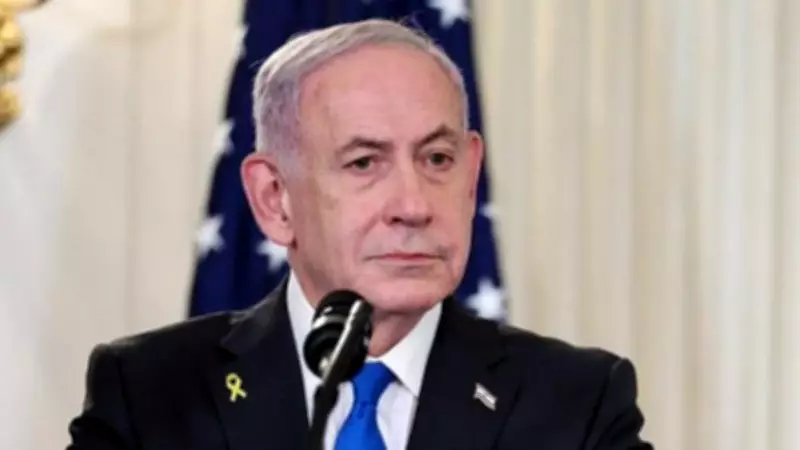
Netanyahu Appeals to Iranian Citizens for Regime Overthrow
Israeli Prime Minister Benjamin Netanyahu has issued a direct call to the people of Iran, urging them to cast off what he describes as the "yoke of tyranny" imposed by their current government. In a bold statement, Netanyahu emphasized that Israel stands ready to assist Iranians in their struggle for freedom and democratic change.
Historical Context of Israeli-Iranian Relations
The relationship between Israel and Iran has been marked by decades of hostility and geopolitical rivalry. Since the 1979 Islamic Revolution in Iran, the two nations have engaged in a protracted conflict, often characterized by proxy wars and diplomatic standoffs. Netanyahu's latest remarks come at a time of heightened tensions in the Middle East, with ongoing disputes over nuclear programs and regional influence.
Netanyahu's message is clear: he believes that the Iranian populace holds the key to transformative change within their country. By framing the issue as one of liberation from oppression, he aims to galvanize internal dissent and potentially weaken the Iranian regime from within.

Potential Implications for Regional Stability
This appeal could have significant ramifications for the already volatile Middle East. If Iranian citizens were to mobilize in response to Netanyahu's call, it might lead to increased internal unrest, further complicating the regional power dynamics. Moreover, Israel's overt offer of support raises questions about the potential for direct intervention or covert operations aimed at destabilizing the Iranian government.
Analysts suggest that such statements are part of a broader strategy to isolate Iran internationally and bolster opposition movements. However, they also warn that this approach could exacerbate existing conflicts and trigger retaliatory measures from Tehran.
International Reactions and Diplomatic Fallout
The international community is likely to respond with caution to Netanyahu's provocative stance. Key players, including the United States and European nations, have historically advocated for diplomatic solutions to the Iranian nuclear issue. Netanyahu's call for regime change may strain these diplomatic efforts and create new fissures in global alliances.
- Increased scrutiny of Israel's foreign policy objectives
- Potential backlash from Iran and its allies in the region
- Reassessment of international strategies toward Iran
As the situation unfolds, the world watches closely to see how Iranians will react to this unprecedented appeal from an arch-rival nation. The outcome could reshape the geopolitical landscape of the Middle East for years to come.