

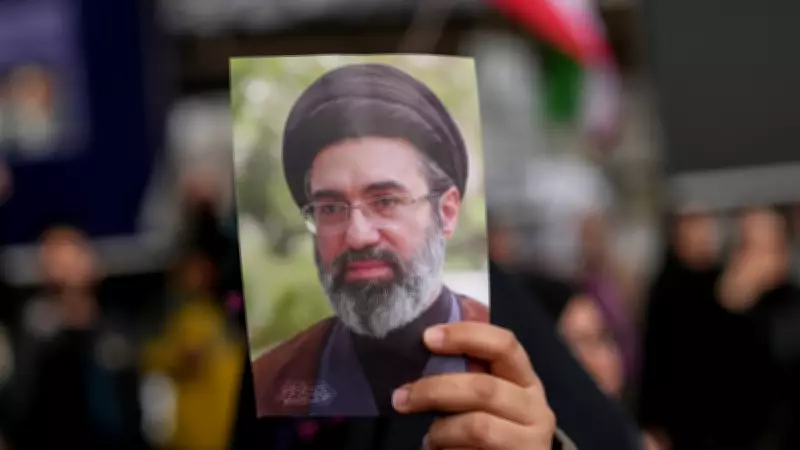
Mojtaba Khamenei's Pivotal Role in Iran-US Truce Emerges Amid Public Disappearance
A recent report has shed light on the significant involvement of Mojtaba Khamenei, the son of Iran's Supreme Leader Ayatollah Ali Khamenei, in facilitating a truce between Iran and the United States. This revelation comes at a time when Mojtaba has been conspicuously absent from public events, sparking widespread speculation about his whereabouts and political standing.
Behind-the-Scenes Diplomacy and Influence
According to the report, Mojtaba Khamenei played a key behind-the-scenes role in negotiating the truce with the Trump administration. His involvement highlights his growing influence within Iran's political and diplomatic circles, despite his low public profile. The truce, which aimed to de-escalate tensions between the two nations, is seen as a critical development in Middle Eastern geopolitics.
Sources indicate that Mojtaba's efforts were instrumental in bridging gaps between Iranian hardliners and US officials, leveraging his connections and understanding of both domestic and international politics. This role underscores his potential as a power broker in Iran's future leadership transitions.

Public Absence and Speculation
Mojtaba Khamenei's disappearance from public view has raised numerous questions. He has not been seen at recent official functions or media appearances, leading to theories about his health, political maneuvering, or possible sidelining within the regime. Some analysts suggest his absence might be linked to internal power struggles or a strategic move to avoid scrutiny.
The timing of this report, coinciding with his public absence, adds a layer of intrigue to Iran's opaque political landscape. It fuels debates about succession plans and the role of family members in Iran's theocratic system.
Implications for Iran-US Relations
The truce brokered with Mojtaba's involvement marks a notable shift in Iran-US relations, which have been strained by decades of conflict and sanctions. Key aspects of this development include:
- De-escalation of military tensions in the Persian Gulf region.
- Potential groundwork for future diplomatic talks on nuclear agreements.
- Increased scrutiny of Mojtaba's influence on Iran's foreign policy decisions.
This report suggests that Mojtaba Khamenei may continue to wield significant power behind the scenes, even as he remains out of the public eye. His role in the truce could signal a more pragmatic approach in Iran's dealings with the West, contrasting with the often hardline public rhetoric.
Future Prospects and Regional Impact
As Iran navigates complex domestic and international challenges, Mojtaba Khamenei's actions and visibility will be closely watched. His involvement in the truce could enhance his credentials as a potential successor or key advisor, depending on internal dynamics. The regional impact of this truce includes:
- Reduced risk of conflict escalation in the Middle East.
- Possible shifts in alliances among neighboring countries.
- Influence on global oil markets and economic stability.
In summary, the report on Mojtaba Khamenei's role in the Iran-US truce reveals a nuanced picture of Iranian politics, where family connections and covert diplomacy play crucial roles. His public absence only adds to the mystery, making this a story of significant geopolitical importance.






