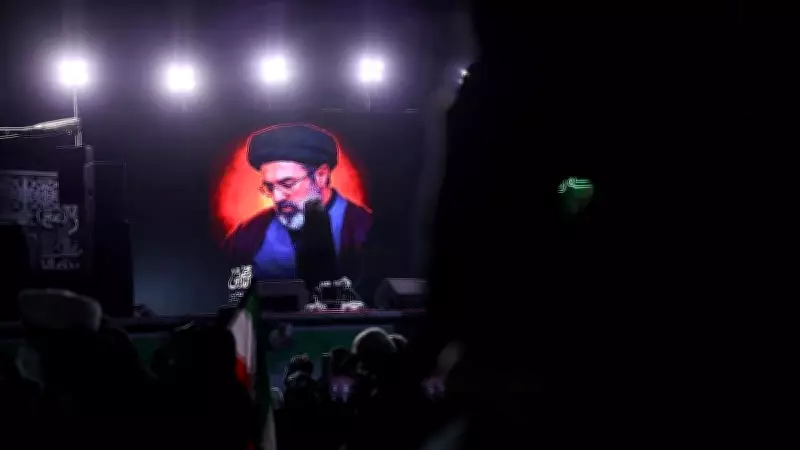
Mojtaba Khamenei: The Rising Force in Iran's Leadership Hierarchy
In a significant development within Iran's political and religious landscape, Mojtaba Khamenei, the son of the late Ayatollah Ali Khamenei, is emerging as a central figure poised to assume the role of Supreme Leader. This transition marks a pivotal moment for the nation, as it navigates complex internal dynamics and escalating regional conflicts.
The Legacy and Influence of the Khamenei Family
Mojtaba Khamenei has long been a key player behind the scenes, leveraging his familial ties and deep involvement in clerical circles to build a robust network of support. His father, Ayatollah Ali Khamenei, served as Iran's Supreme Leader for over three decades, shaping the country's policies and religious doctrines. Following his father's passing, Mojtaba's ascent is seen as a continuation of this legacy, with many analysts noting his strategic positioning within the powerful Islamic Revolutionary Guard Corps and other influential institutions.
Political and Religious Authority: As the potential new Supreme Leader, Mojtaba Khamenei is expected to wield considerable authority over Iran's governance, military, and religious affairs. His role involves overseeing critical decisions on foreign policy, nuclear negotiations, and domestic security, all while upholding the principles of the Islamic Republic. This position places him at the heart of Iran's efforts to maintain stability amid ongoing protests and economic challenges.

Regional Implications and Global Reactions
The prospect of Mojtaba Khamenei's leadership has sparked widespread interest and concern across the Middle East and beyond. Regional powers, including Saudi Arabia and Israel, are closely monitoring the situation, given Iran's involvement in proxy conflicts and its nuclear ambitions. International observers anticipate that his tenure could influence diplomatic relations, particularly with Western nations engaged in talks over sanctions and regional security.
Key Challenges Ahead: Mojtaba faces a daunting array of issues, from managing internal dissent to addressing economic hardships exacerbated by international sanctions. His ability to navigate these challenges will be crucial in determining Iran's future trajectory and its role on the global stage.
The Path to Supreme Leadership
Iran's Supreme Leader is selected by the Assembly of Experts, a body of clerics responsible for overseeing the leadership transition. Mojtaba Khamenei's candidacy is bolstered by his extensive religious education and political acumen, though some factions within Iran's complex power structure may pose obstacles. The process underscores the intricate balance between religious authority and political pragmatism in the country's governance.
Future Outlook: As Mojtaba Khamenei steps into the spotlight, his leadership will likely shape Iran's domestic policies and international engagements for years to come. Observers are keen to see how he will address pressing issues such as human rights, economic reform, and regional diplomacy, all while upholding the ideological foundations of the Islamic Republic.