

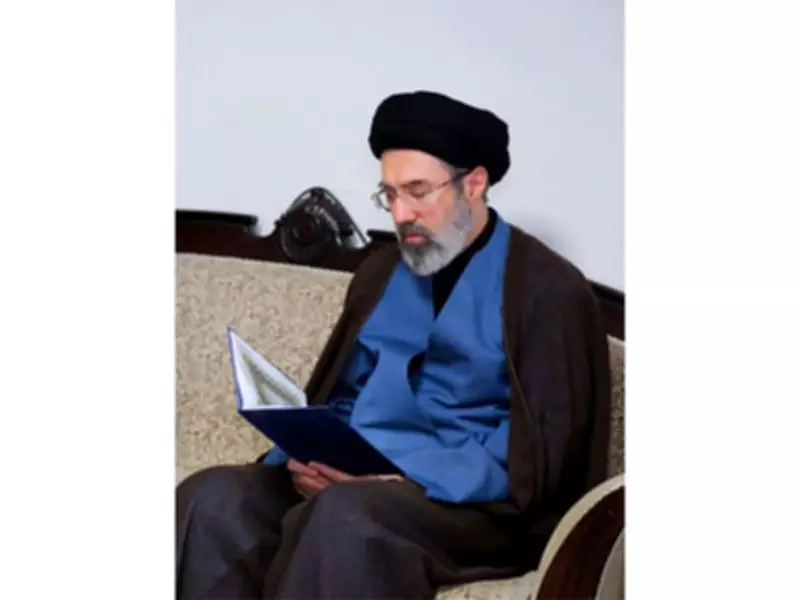
In a recent address, Mojtaba Khamenei, a prominent Iranian cleric and son of Supreme Leader Ali Khamenei, highlighted the strength of Iran's unity, declaring that a fracture has appeared within the enemy's ranks. Speaking at a gathering in Tehran, he emphasized that the nation's solidarity has thwarted external efforts to destabilize the country.
Unity as a Strategic Asset
Khamenei underscored that Iran's internal cohesion serves as a powerful deterrent against foreign adversaries. He stated, "The enemy has attempted to exploit divisions, but our unity has exposed a crack in their strategy." This remark reflects the ongoing tensions between Iran and Western nations, particularly over nuclear negotiations and regional influence.
Resilience Against External Pressures
He further praised the Iranian people's resilience in the face of economic sanctions and political isolation. "Our strength lies in our unwavering commitment to our principles and leadership," he added. The speech comes amid heightened rhetoric from both Iran and the United States, with talks over the nuclear deal stalled.

Implications for Regional Dynamics
Analysts suggest that Khamenei's comments aim to bolster domestic morale and signal to allies that Iran remains steadfast. The mention of a "fracture" in the enemy may refer to perceived disagreements among Western powers or within the U.S. administration. Iran's unity, he argued, is a model for other nations facing similar challenges.
Historical Context
Iran has long emphasized unity under its theocratic system, especially during periods of external threat. The Islamic Revolution of 1979 and the Iran-Iraq War in the 1980s are often cited as examples of national cohesion. Khamenei's remarks align with this narrative, reinforcing the idea that internal harmony is key to survival.
In conclusion, Mojtaba Khamenei's speech serves as a reminder of Iran's resolve. By highlighting the enemy's fracture, he seeks to inspire confidence and project strength on the global stage.






