Middle East Conflict Triggers Major Aviation Disruption in India
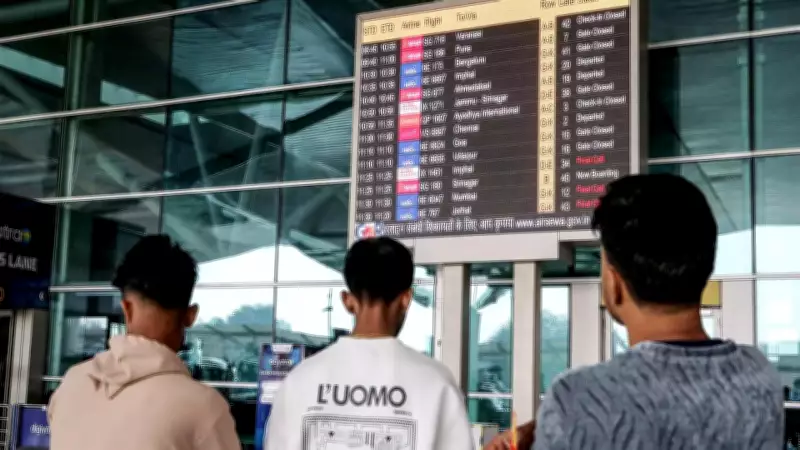
The escalating geopolitical tensions in the Middle East have begun to directly impact international aviation operations in India, causing significant disruptions over the weekend. According to official reports cited by PTI, approximately 100 international flights were cancelled at the Delhi and Mumbai airports on Saturday alone, highlighting the far-reaching consequences of the regional conflict.
Flight Cancellations at Major Indian Hubs
The breakdown of cancellations reveals a substantial operational halt. At Mumbai's Chhatrapati Shivaji Maharaj International Airport, authorities reported 35 departures and 36 arrivals cancelled. Meanwhile, at Delhi's Indira Gandhi International Airport, 22 departures and 17 arrivals were similarly affected. These figures underscore the immediate and tangible effects of the Middle East crisis on global air travel networks connecting through India.
Official Warnings and Operational Adjustments
Delhi International Airport Ltd (DIAL), the operator of the national capital's airport, issued a formal advisory regarding potential ongoing disruptions. In a post on social media platform X, DIAL stated, "Due to the current situation in the Middle East, some west-bound international flights may experience delays or schedule changes." This warning reflects the unpredictable nature of the conflict and its impact on flight routing and scheduling.

Root Cause: Regional Airspace Closures
The aviation disruptions stem directly from the intensifying conflict involving the United States, Israel, and Iran, which escalated significantly on February 28. This geopolitical standoff has led to the closure of several key airspaces across the Middle East, forcing airlines to implement extensive rerouting strategies or suspend services entirely. Consequently, many carriers are now operating only a limited number of flights on affected routes, prioritizing safety over schedule adherence.
The ripple effects are being felt globally, with Indian airports serving as critical nodes in the international aviation network. Airlines are grappling with increased fuel costs, extended flight times, and complex logistical challenges as they navigate around conflict zones. Passengers are facing widespread uncertainty, with last-minute cancellations and delays becoming increasingly common.
This situation highlights the vulnerability of global aviation to regional conflicts and underscores the need for robust contingency planning. As the Middle East crisis continues to evolve, further disruptions to Indian and international flight operations remain a distinct possibility, with aviation authorities closely monitoring developments to ensure passenger safety and operational integrity.