

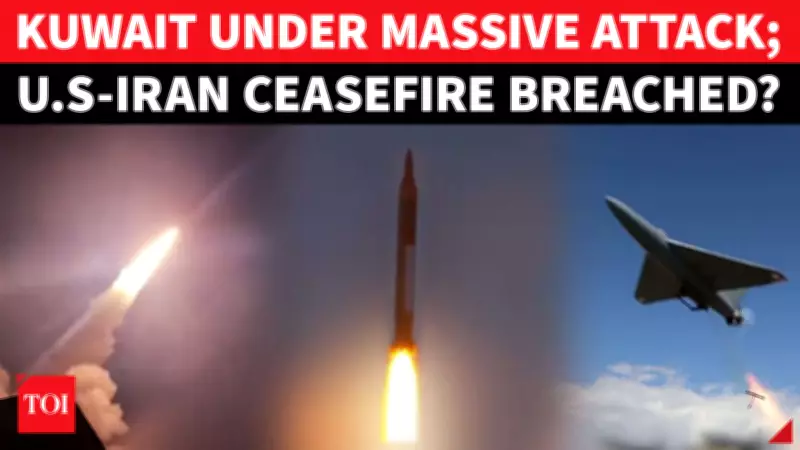
Kuwait Air Defenses Intercept and Destroy Seven Drones Amid Escalating Regional Tensions
In a significant security incident, Kuwait has reported the successful interception of multiple unmanned aerial vehicles (UAVs) entering its airspace over the past 24 hours. According to official statements, at least seven drones were shot down by the country's air defense systems. Some of these UAVs were allegedly targeting facilities associated with the Kuwait National Guard, raising concerns about deliberate aggression.
Damage and Injuries Confirmed by National Guard
The Kuwait National Guard has confirmed that the drone attacks resulted in material damage to infrastructure and injuries to personnel. Officials stated that the injured individuals are currently in stable condition, receiving medical care. This development underscores the tangible impact of the assaults on national security and public safety.
Iran Denies Involvement as Tensions Rise
Kuwaiti authorities have pointed fingers at Iran-linked aggression as the likely source of the drone attacks, citing regional patterns of proxy group activities. However, Tehran has swiftly denied any involvement, adding to the diplomatic friction in the Gulf region. This incident occurs against a backdrop of heightened tensions and ongoing accusations involving militant proxies operating across the Middle East.

Fragile Ceasefire and Broader Geopolitical Context
The drone strikes come at a critical juncture, amid a fragile ceasefire between the United States and Iran, which has been teetering due to recent escalations. Regional stability is under strain, with incidents like this threatening to derail peace efforts. Investigations are currently underway to determine the full scope and origins of the attacks, while Kuwait remains on high security alert to prevent further breaches.
Implications for Gulf Security and International Relations
This event highlights the persistent volatility in the Gulf, where drone warfare has become a common tactic in regional conflicts. Key implications include:
- Enhanced Air Defense Measures: Kuwait and neighboring countries may bolster their air defense capabilities in response to such threats.
- Diplomatic Strains: The accusations against Iran could exacerbate existing tensions, affecting international relations and ceasefire negotiations.
- Regional Security Concerns: The involvement of proxy groups underscores the complex security landscape in the Middle East, requiring coordinated efforts to address.
As the situation unfolds, global observers are closely monitoring developments, given the potential for broader geopolitical repercussions. The incident serves as a stark reminder of the ongoing challenges to peace and security in the region.






