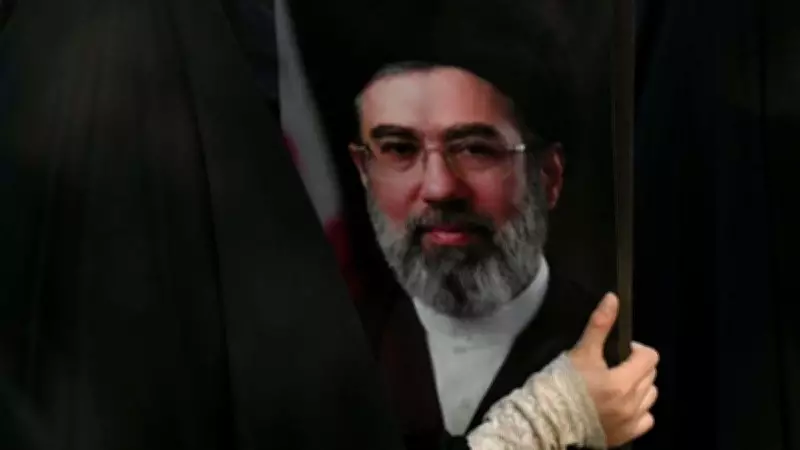
Mojtaba Khamenei Accuses Israel of Deception in Turkey Strikes; Oman Denies Iran's Role
In a significant development that has heightened tensions across the Middle East, Mojtaba Khamenei, the influential son of Iran's Supreme Leader Ayatollah Ali Khamenei, has publicly accused Israel of orchestrating a series of strikes on Turkey. This accusation comes amidst a backdrop of escalating regional conflicts and geopolitical maneuvering, with Oman swiftly stepping in to deny any involvement by Iran in the incidents.
Allegations of Zionist Deception
Mojtaba Khamenei, who holds a prominent position within Iran's political and religious hierarchy, labeled Israel as the "Zionist enemy" and asserted that the strikes on Turkey were a deliberate act of deception. He claimed that Israel aimed to destabilize the region by framing Iran for the attacks, a tactic he described as part of a broader strategy to undermine Tehran's influence. This statement reflects Iran's longstanding adversarial stance toward Israel, often citing it as a primary threat to regional security.
The accusations have sparked concerns about potential retaliation and further military escalations, given the volatile nature of Middle Eastern politics. Analysts suggest that such rhetoric could exacerbate existing tensions, particularly in light of ongoing conflicts involving proxy groups and international powers.

Oman's Denial of Iranian Involvement
In response to the allegations, Oman, a key mediator in the region known for its neutral diplomatic stance, issued a formal denial of Iran's role in the strikes on Turkey. Omani officials emphasized that there is no evidence linking Iran to the incidents and called for restraint and dialogue to prevent further instability. This denial is seen as an effort to de-escalate the situation and maintain Oman's role as a peacemaker, especially given its historical ties with both Iran and other Gulf states.
Oman's intervention highlights the complex web of alliances and rivalries in the Middle East, where accusations and denials can quickly influence international perceptions and policies. The country's statement may also aim to protect its economic and diplomatic interests, as it seeks to balance relations with various regional actors.
Regional Implications and Broader Context
The accusations by Mojtaba Khamenei and Oman's denial occur against a backdrop of heightened regional tensions, including:
- Ongoing Conflicts: The Middle East has been plagued by multiple conflicts, such as the war in Gaza and skirmishes involving Hezbollah and other Iran-backed groups, which often draw in external powers like Israel and the United States.
- Geopolitical Rivalries: Iran and Israel have long been engaged in a shadow war, with accusations of cyberattacks, assassinations, and military strikes frequently exchanged. This latest incident adds another layer to their contentious relationship.
- International Diplomacy: The situation underscores the challenges of diplomacy in the region, where misinformation and propaganda can complicate peace efforts. Countries like Oman play a crucial role in facilitating dialogue, but their efforts are often tested by such allegations.
Experts warn that if not addressed through diplomatic channels, these accusations could lead to miscalculations and unintended confrontations, potentially drawing in other nations and destabilizing the area further. The international community is closely monitoring the developments, with calls for transparency and evidence-based assessments to avoid escalation.
Looking Ahead: Potential Outcomes
As the situation unfolds, several scenarios could emerge:

- Diplomatic Resolution: Oman and other mediators might push for talks to clarify the facts and reduce tensions, leveraging their neutral positions to broker peace.
- Military Escalation: If accusations persist without resolution, there is a risk of retaliatory strikes or increased military posturing by involved parties, particularly between Iran and Israel.
- Propaganda Warfare: The incident could fuel further propaganda efforts, with each side using media to sway public opinion and justify their actions, complicating efforts to ascertain the truth.
In conclusion, the accusations by Mojtaba Khamenei and Oman's denial highlight the fragile state of Middle Eastern geopolitics. While the facts remain contested, the need for cautious diplomacy and evidence-based discourse is more critical than ever to prevent a broader conflict. Observers urge all parties to prioritize dialogue over confrontation in the interest of regional stability.