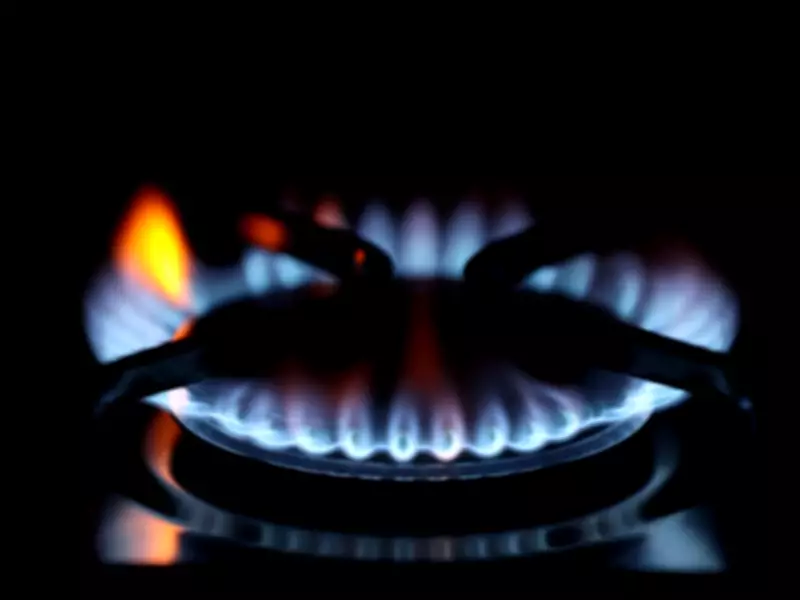
In Karachi, Pakistan's largest city, residents are resorting to storing cooking gas in balloons as a severe fuel shortage grips the metropolis. The practice, which poses significant safety risks, highlights the desperation of citizens facing long queues and skyrocketing prices for liquefied petroleum gas (LPG).
Desperate Measures Amid Shortage
With LPG supplies dwindling, many households have turned to unconventional methods to secure fuel for daily cooking. Balloons, typically used for decorations, are being filled with gas and stored at home. This dangerous practice increases the risk of leaks and explosions, especially in densely populated areas.
Impact on Daily Life
The shortage has forced residents to wait hours for gas cylinders, with many unable to afford the inflated prices. Some families have resorted to using wood or charcoal, while others skip meals altogether. The crisis has also affected small businesses, such as tea stalls and restaurants, which rely heavily on LPG.

Government Response
Authorities have acknowledged the shortage but blame hoarding and smuggling for the disruption. Steps have been taken to increase supply, but residents remain skeptical. The use of balloons for gas storage has been condemned by officials, who warn of severe consequences.
Safety Concerns
Experts warn that storing gas in balloons is extremely hazardous. The balloons can easily burst, leading to gas leaks that may cause fires or explosions. Moreover, the gas can degrade the balloon material over time, increasing the risk of sudden rupture.
Call for Action
Residents are urging the government to address the fuel crisis promptly and ensure affordable access to LPG. Meanwhile, community leaders are spreading awareness about the dangers of unsafe storage practices.