

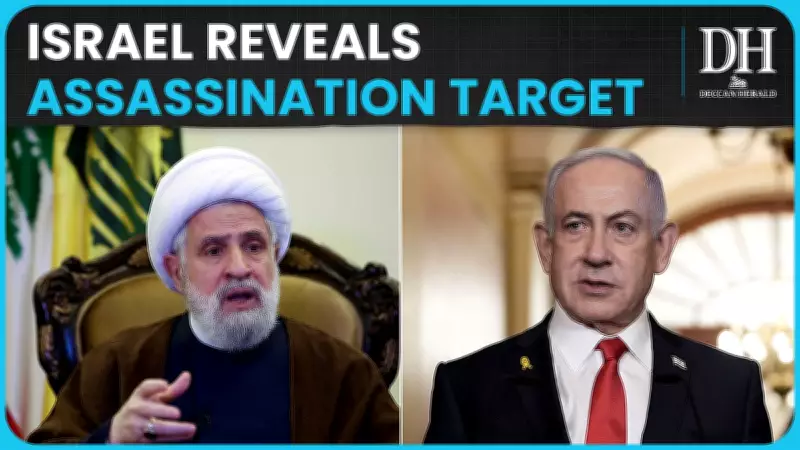
Israel's Next Assassination Target Revealed Amid Escalating Tensions
Israeli intelligence agencies have reportedly identified a high-profile militant leader as their next assassination target, according to recent reports. This revelation comes amid escalating tensions in the Middle East, raising concerns about potential retaliatory actions and further destabilization in the region.
Details of the Targeted Individual
The individual in question is believed to be a senior operative within a militant group that has been actively opposing Israeli interests. While specific details about the target's identity and affiliation remain classified, sources indicate that this person is considered a significant threat to Israeli security due to their involvement in planning and executing attacks.
Israeli authorities have not officially confirmed the target's name or the exact timing of any planned operation. However, intelligence leaks suggest that preparations are underway, with surveillance and reconnaissance activities intensifying in recent weeks.

Context of Regional Conflicts
This development occurs against a backdrop of ongoing conflicts in the Middle East, where Israel has frequently employed targeted assassinations as a strategy to neutralize perceived threats. Past operations have targeted key figures in militant organizations, often leading to cycles of violence and retaliation.
The region has seen a surge in hostilities, with various groups engaging in cross-border skirmishes and proxy wars. The potential assassination could exacerbate these tensions, potentially drawing in other actors and escalating the conflict to a broader scale.
International Reactions and Implications
International observers have expressed alarm over the news, warning that such an operation could violate international law and undermine efforts toward peace and stability. Human rights organizations have long criticized targeted killings for their extrajudicial nature and the risk of civilian casualties.
Diplomatic channels are reportedly being activated to address the situation, with some countries urging restraint and dialogue. However, Israel has historically defended its right to self-defense, arguing that preemptive strikes are necessary to protect its citizens from imminent threats.
Potential Consequences and Future Outlook
If the assassination proceeds, it could trigger a series of retaliatory attacks, further complicating the already volatile security landscape. Militant groups might respond with increased aggression, potentially targeting Israeli assets or allies in the region.
Moreover, this move could impact regional alliances and influence global perceptions of the conflict. Stakeholders are closely monitoring the situation, with many calling for de-escalation to prevent a full-blown crisis.
In summary, the revelation of Israel's next assassination target highlights the persistent tensions in the Middle East and the complex dynamics at play. As developments unfold, the international community remains on high alert, hoping to avert another escalation in this long-standing conflict.






