

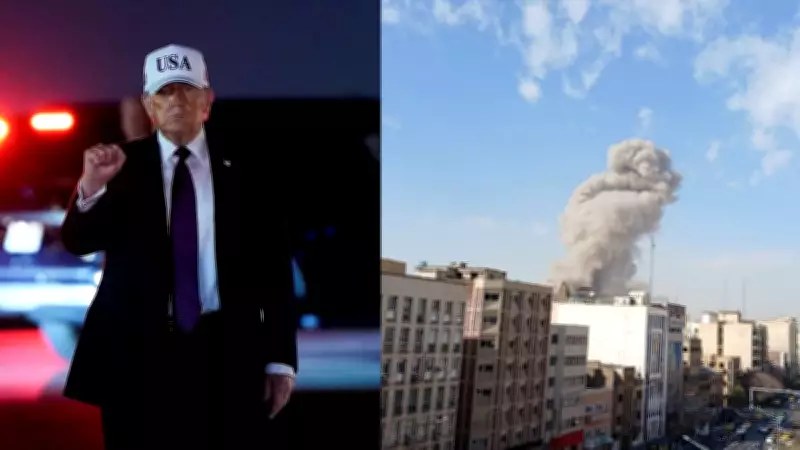
Israel Conducts Pre-emptive Military Strike Against Iran
In a significant escalation of hostilities, Israel launched a pre-emptive attack on Iran this Saturday, plunging the Middle East into a renewed phase of military confrontation. This aggressive move has severely undermined prospects for a diplomatic resolution to the longstanding nuclear dispute between Tehran and Western nations, casting a shadow over regional stability.
Background and Context of the Conflict
The recent strike follows a 12-day aerial conflict between Israel and Iran in June, which had already strained relations. Over the past months, both the United States and Israel have issued repeated warnings, indicating they would take military action if Iran continued to advance its nuclear and ballistic missile programs. This latest attack underscores the failure of diplomatic channels to curb Iran's ambitions, as perceived by Israeli and U.S. authorities.
Key developments include:

- The attack occurred on Saturday, marking a direct military response to Iran's ongoing nuclear activities.
- It represents a continuation of the air war from June, suggesting a pattern of escalating violence.
- U.S.-Israeli coordination has been evident in their shared stance against Iran's missile programs.
Implications for Regional and Global Security
This military action has far-reaching consequences, not only for the immediate region but also for international diplomacy. The Middle East, already a hotspot for conflicts, now faces increased risks of broader warfare, potentially drawing in other nations. The attack dims hopes for peaceful negotiations, as it signals a shift towards hardline strategies over dialogue.
Experts warn that such pre-emptive strikes could trigger retaliatory measures from Iran, leading to a cycle of violence that destabilizes the entire area. The nuclear dispute, which has been a focal point of Western concerns for years, remains unresolved, with this attack likely to harden positions on both sides.
Future Outlook and Diplomatic Challenges
Looking ahead, the path to de-escalation appears fraught with obstacles. Diplomatic efforts, which had been struggling to gain traction, are now further complicated by this military engagement. The international community, including the United Nations and key global powers, may need to intervene more actively to prevent a full-scale war.
In summary, Israel's pre-emptive strike against Iran has intensified the Middle East conflict, highlighting the urgent need for renewed diplomatic initiatives to address the nuclear issue and restore peace in the region.






