

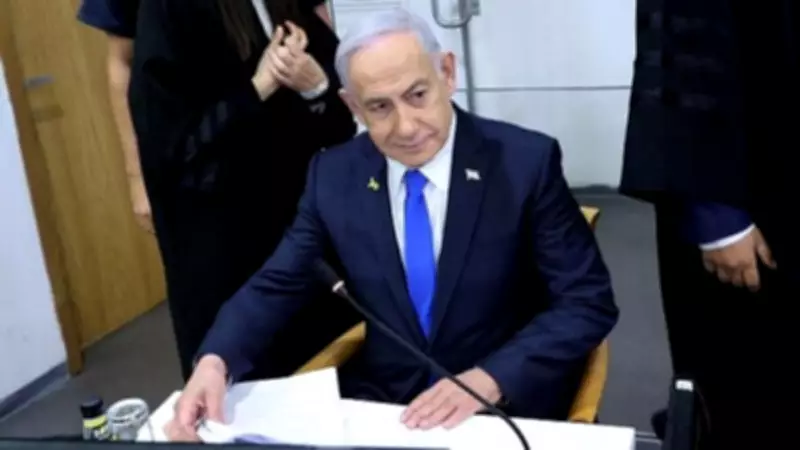
Israel Pushes for Swift Peace Negotiations with Lebanon, Targeting Hezbollah Disarmament
Israeli Prime Minister Benjamin Netanyahu has publicly declared his nation's intention to initiate peace talks with Lebanon "as soon as possible," marking a significant diplomatic move in the volatile Middle East region. This announcement, made on April 9, 2026, underscores Israel's renewed focus on resolving long-standing tensions through dialogue and negotiation.
Key Focus on Disarming Hezbollah and Building Peaceful Relations
In his statement, Netanyahu emphasized that the proposed negotiations will center on two critical objectives: disarming the militant group Hezbollah and establishing peaceful relations between Israel and Lebanon. Hezbollah, a powerful Shiite political and military organization based in Lebanon, has been a persistent source of conflict, engaging in numerous clashes with Israeli forces over the years. Netanyahu's call aims to address this security threat directly while fostering a more stable and cooperative environment between the two neighboring countries.
The urgency expressed by Netanyahu reflects Israel's desire to capitalize on current geopolitical dynamics and reduce regional instability. By targeting Hezbollah's disarmament, Israel seeks to mitigate the risk of future hostilities and create a foundation for lasting peace. This approach aligns with broader international efforts to de-escalate tensions in the Middle East, though it faces significant challenges given Hezbollah's entrenched position and influence within Lebanon.

Historical Context and Potential Implications
Israel and Lebanon have a complex history marked by periods of conflict, including the 2006 Lebanon War, which involved Hezbollah. Previous peace initiatives have often stalled due to deep-seated political and ideological divisions. Netanyahu's latest proposal represents a proactive attempt to break this cycle, potentially paving the way for enhanced diplomatic engagement and economic cooperation.
If successful, these talks could lead to:
- Improved Security: Reducing Hezbollah's military capabilities might lower the likelihood of cross-border attacks and enhance regional stability.
- Diplomatic Normalization: Establishing peaceful relations could open doors for trade, tourism, and cultural exchanges between Israel and Lebanon.
- International Support: The initiative may garner backing from global powers seeking to promote peace in the Middle East.
However, obstacles remain, including Hezbollah's resistance to disarmament and Lebanon's internal political fragmentation. The response from Lebanese authorities and Hezbollah leadership will be crucial in determining the feasibility of Netanyahu's proposal.
Looking Ahead: A Path to Peace or Continued Stalemate?
As of April 2026, the international community watches closely to see if this call for talks translates into concrete action. Netanyahu's emphasis on speed suggests a strategic window of opportunity, possibly driven by shifting alliances or domestic considerations. Reuters' coverage highlights the timeliness of this development, noting the potential for it to reshape regional dynamics.
In summary, Israel's push for immediate peace negotiations with Lebanon, with a clear focus on disarming Hezbollah, represents a bold diplomatic step. While the road ahead is fraught with challenges, this initiative offers a glimpse of hope for reducing tensions and building a more peaceful future in the Middle East. The coming months will be critical in assessing whether these talks can move beyond rhetoric to achieve meaningful progress.






