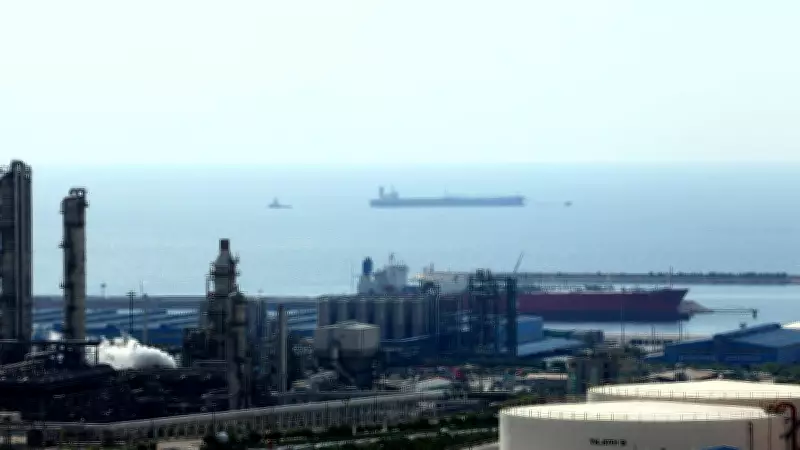
Israeli Attack on Iran's South Pars Gas Field Heightens Gulf Tensions
In a significant escalation of hostilities in the Middle East, Israel has conducted a military strike on Iran's South Pars gas field, the largest natural gas reserve globally. This aggressive move has sent shockwaves through the Gulf region, exacerbating existing geopolitical tensions and raising alarms about potential disruptions to global energy supplies.
Details of the Attack and Its Strategic Implications
The strike, which occurred recently, targeted key infrastructure within the South Pars field, located in the Persian Gulf. This area is a critical asset for Iran's economy, contributing substantially to its natural gas production and export capabilities. The attack is seen as a direct challenge to Iran's energy sovereignty and a bold maneuver in the ongoing proxy conflicts between the two nations.
South Pars Gas Field: A Global Energy Giant

The South Pars gas field is not only vital for Iran but also holds immense importance for the world's energy landscape. As the largest natural gas reserve, it spans an area shared with Qatar's North Field and contains estimated reserves that fuel both domestic consumption and international markets. Any damage to this field could have far-reaching consequences, potentially affecting gas prices and supply chains worldwide.
Regional and International Reactions
Following the attack, tensions in the Gulf have spiked dramatically. Regional powers, including Saudi Arabia and the United Arab Emirates, are closely monitoring the situation, wary of further escalation that could destabilize the area. Internationally, the United Nations and major global players have expressed concern, calling for restraint and diplomatic solutions to prevent a full-blown conflict.
Impact on Global Energy Security
This incident underscores the fragility of energy security in volatile regions. The South Pars field's significance means that any prolonged conflict or damage could lead to:
- Increased volatility in natural gas prices
- Potential supply shortages in dependent countries
- Heightened risks for maritime trade routes in the Gulf
Historical Context and Future Outlook
The strike is part of a broader pattern of tensions between Israel and Iran, which have been engaged in a shadow war involving cyberattacks, proxy forces, and occasional direct confrontations. Analysts suggest that this attack could mark a new phase in their rivalry, with energy infrastructure becoming a focal point.
Looking ahead, the situation remains highly fluid. Diplomatic efforts are underway to de-escalate, but the risk of retaliatory actions by Iran looms large. The international community is urging both sides to engage in dialogue to avoid further destabilization of the Gulf, a region crucial to global energy stability.
In summary, Israel's targeting of Iran's South Pars gas field has not only intensified Gulf tensions but also highlighted the interconnectedness of energy resources and geopolitical conflicts. As the world watches, the need for peaceful resolution becomes ever more urgent to safeguard regional and global interests.