

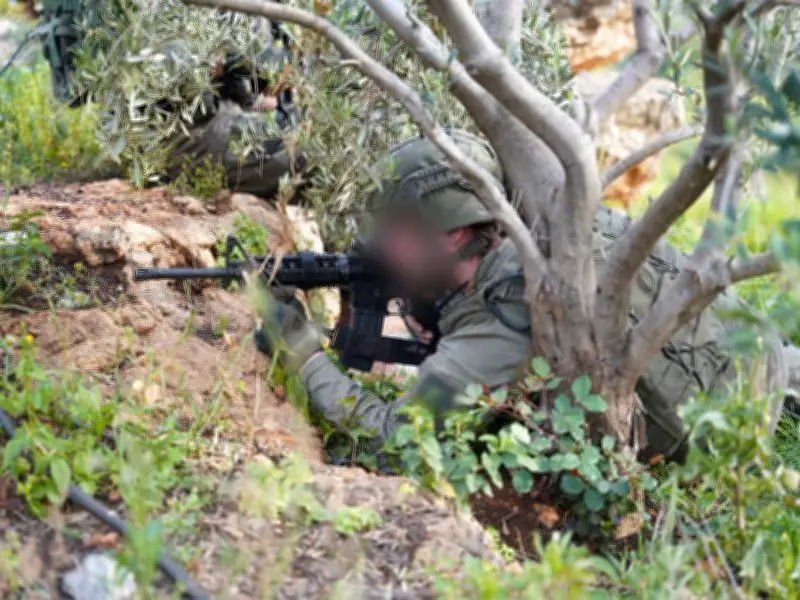
Despite a recent extension of the ceasefire agreement between Israel and Lebanon, tensions remain high as Hezbollah and Israeli forces exchanged strikes over the weekend. The renewed hostilities threaten the fragile peace that was brokered by international mediators.
Details of the Exchange
According to reports, Hezbollah launched several rockets into northern Israel, prompting Israeli artillery and airstrikes on targets in southern Lebanon. The Israeli military stated that it struck Hezbollah infrastructure and rocket launchers in response to the attacks. No casualties were immediately reported on either side.
Ceasefire Extension Context
The ceasefire, originally established in 2006, had been extended earlier this month as part of ongoing negotiations between Israel and Lebanon. The extension was seen as a positive step toward long-term stability, but the recent exchange of fire underscores the volatility of the situation.

International Reactions
The United Nations Interim Force in Lebanon (UNIFIL) called for restraint from both parties, urging them to adhere to the ceasefire terms. The United States and European Union also expressed concern, emphasizing the need for de-escalation to prevent a wider conflict.
Impact on Civilians
The strikes have caused panic among civilians in border areas. Schools and businesses were closed in some Israeli communities near the border, while Lebanese villagers reported hearing loud explosions. Humanitarian organizations warned that further escalation could displace thousands.
Hezbollah's Stance
Hezbollah leaders claimed that the strikes were in response to alleged Israeli violations of Lebanese airspace and sovereignty. The group reaffirmed its commitment to resistance against Israeli aggression, despite the ceasefire agreement.
Israel's Position
Israeli officials stated that they hold the Lebanese government responsible for all attacks emanating from its territory. They warned that Israel would defend itself by any means necessary, signaling potential for further military action if attacks continue.
Outlook
Diplomatic efforts are underway to restore the ceasefire. UNIFIL is mediating between the parties to prevent a full-scale confrontation. However, the deep-rooted animosity and lack of trust make the path to peace uncertain. Analysts suggest that without a comprehensive agreement addressing core issues, such as border disputes and Hezbollah's disarmament, the cycle of violence may persist.






