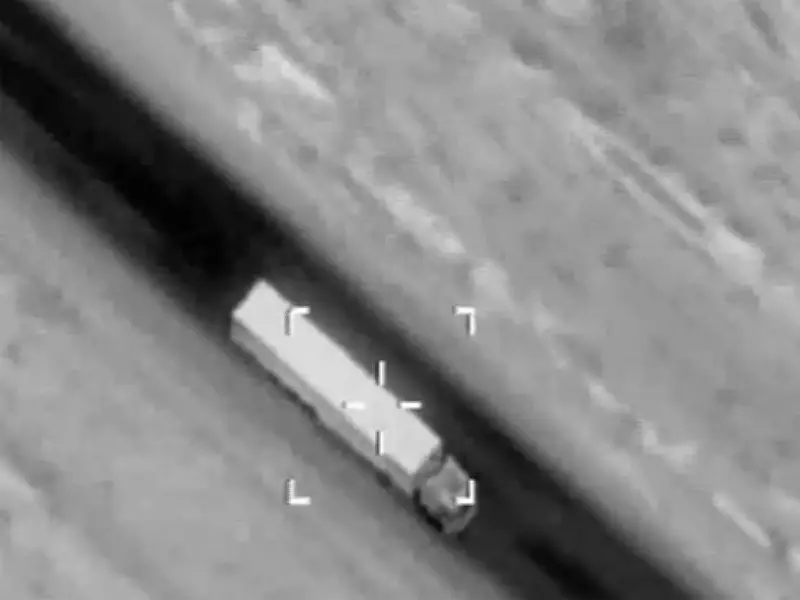
Israel Air Force Conducts Major Strikes Against Iranian Regime Targets
The Israel Air Force has announced the execution of an extensive wave of strikes targeting assets and locations associated with the Iranian regime. This military operation represents a significant escalation in the ongoing tensions between Israel and Iran, with the strikes aimed at multiple sites across the region.
Details of the Military Operation
According to official statements from the Israel Air Force, the strikes were carried out in a coordinated manner, focusing on key infrastructure and military installations linked to the Iranian regime. The operation is described as one of the most extensive in recent times, involving advanced aircraft and precision-guided munitions to minimize collateral damage while achieving strategic objectives.
The targets included facilities involved in weapons development, logistics hubs, and command centers that support Iran's regional activities. The Israel Air Force emphasized that the strikes were a direct response to perceived threats from Iran, including its support for proxy groups and its nuclear ambitions.

Regional and International Implications
This development has heightened concerns about stability in the Middle East, with potential repercussions for diplomatic relations and security dynamics. Neighboring countries and international observers are closely monitoring the situation, as such actions could lead to further retaliatory measures or escalate into broader conflict.
The timing of these strikes is particularly sensitive, given ongoing negotiations and geopolitical shifts in the region. Analysts suggest that this move by Israel may be intended to send a strong message to Iran and its allies, reinforcing Israel's commitment to its national security interests.
Response from Iran and Global Reactions
While initial reports from the Israel Air Force have been confirmed, official responses from the Iranian regime are still emerging. Historically, Iran has condemned such actions as acts of aggression and has vowed to respond in kind, raising fears of a cycle of escalation.
International reactions have been mixed, with some nations expressing support for Israel's right to self-defense, while others call for restraint and dialogue to prevent further violence. The United Nations and other global bodies are likely to address this issue in upcoming sessions, emphasizing the need for peaceful resolution of conflicts.
Background and Context
The relationship between Israel and Iran has been marked by decades of hostility, with both nations engaging in covert and overt military actions. Iran's nuclear program and its support for groups like Hezbollah have been primary points of contention, leading to periodic confrontations.
This latest wave of strikes underscores the volatile nature of the Middle East, where military posturing often overshadows diplomatic efforts. As the situation unfolds, the focus will be on how both sides manage the aftermath and whether this leads to de-escalation or further hostilities.