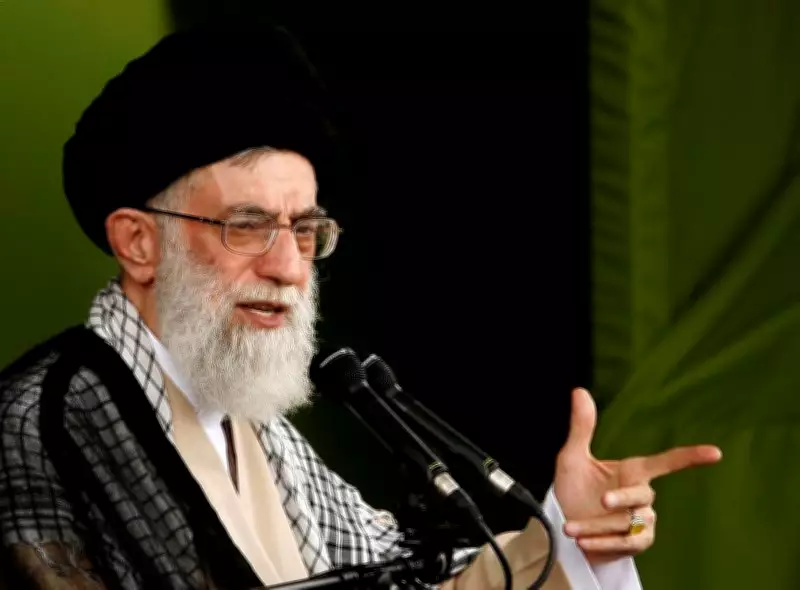
Iranian State Media Announces Death of Supreme Leader Ayatollah Ali Khamenei
In a significant development that has sent shockwaves across the Middle East and beyond, Iranian state media has officially reported the death of the country's Supreme Leader, Ayatollah Ali Khamenei. This announcement marks a pivotal moment in Iran's modern history, as Khamenei has been a central figure in shaping the nation's political and religious landscape for over three decades.
Details of the Announcement
The news was broadcast by multiple state-controlled media outlets in Iran, confirming the passing of the 85-year-old leader. Ayatollah Ali Khamenei, who assumed the role of Supreme Leader in 1989 following the death of Ayatollah Ruhollah Khomeini, has been a dominant force in Iranian affairs, overseeing key decisions on foreign policy, nuclear negotiations, and domestic governance. His death comes at a time of heightened tensions in the region, with Iran involved in various geopolitical conflicts and facing international sanctions.
Implications for Iran and the World
The demise of Ayatollah Ali Khamenei is expected to have profound implications for Iran's internal stability and its relations with global powers. As the highest authority in the country's theocratic system, his leadership has been instrumental in maintaining the Islamic Republic's ideological stance and strategic alliances. Analysts predict that his death could trigger a period of uncertainty, potentially leading to power struggles within the Iranian political elite and affecting ongoing diplomatic efforts, such as the nuclear deal negotiations.

Key aspects of his legacy include:
- Longevity in Power: Serving as Supreme Leader for more than 35 years, Khamenei was one of the longest-serving heads of state in the world.
- Influence on Regional Politics: He played a crucial role in shaping Iran's involvement in conflicts across the Middle East, including support for proxy groups in Syria, Yemen, and Lebanon.
- Domestic Control: Under his rule, Iran maintained strict control over political dissent and civil liberties, often facing criticism from human rights organizations.
Reactions and Future Prospects
While official statements from the Iranian government are awaited, initial reactions from international observers suggest that the world is closely monitoring the situation for signs of succession and potential shifts in policy. The process of appointing a new Supreme Leader, as outlined in Iran's constitution, involves the Assembly of Experts, a body of clerics, and could lead to significant changes in the country's direction. This event underscores the fragility of power dynamics in the region and highlights the broader challenges facing Iran in the coming months.