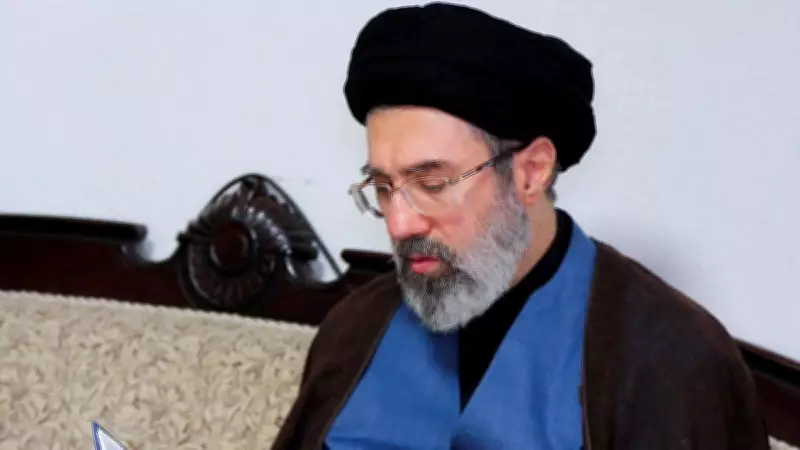
Report Reveals Injury to Iran's Presumed Successor in Early War
A recent report has surfaced, alleging that Ayatollah Mojtaba Khamenei, the son of Iran's current Supreme Leader Ali Khamenei and a leading candidate to succeed him, sustained injuries during the early stages of the Iran-Iraq war. This revelation adds a new layer of complexity to the already secretive and highly anticipated succession process within Iran's political and religious hierarchy.
Details of the Alleged Injury
The report, which has not been officially confirmed by Iranian authorities, suggests that Mojtaba Khamenei was wounded in the 1980s, a period marked by intense conflict between Iran and Iraq. The Iran-Iraq war, lasting from 1980 to 1988, was a brutal and protracted struggle that resulted in significant casualties on both sides, with many key figures involved in the fighting.
While the exact nature and severity of his injuries remain undisclosed, the incident is said to have occurred early in the war, potentially impacting his health and public profile. This information emerges amidst ongoing speculation about the future leadership of Iran, as the aging Supreme Leader Ali Khamenei, who is 85 years old, continues to hold power without a clear, publicly announced successor.

Implications for Succession in Iran
Ayatollah Mojtaba Khamenei, often referred to as a cleric with considerable influence behind the scenes, is widely regarded as a frontrunner to take over from his father. His potential ascension is seen as a move that could ensure continuity in Iran's hardline policies, given his close alignment with his father's ideological stance and his involvement in key security and religious matters.
The report of his wartime injury raises several critical questions:
- How might this injury affect his physical ability to assume the demanding role of Supreme Leader?
- Could it influence internal debates within Iran's political and clerical elite regarding his suitability?
- Does this revelation impact public perception or the narrative around his candidacy?
Iran's succession process is notoriously opaque, with decisions made by a small circle of powerful figures, including members of the Assembly of Experts. The injury report, if verified, could become a factor in these deliberations, though it is unlikely to be publicly discussed in official channels.
Broader Context and Regional Significance
This development comes at a time of heightened regional tensions and internal challenges for Iran. The country faces economic pressures, social unrest, and ongoing geopolitical conflicts, making the question of leadership transition increasingly urgent. A smooth succession is viewed as crucial for maintaining stability within Iran and its influence across the Middle East.
The Iran-Iraq war itself was a defining event that shaped modern Iran, fostering a generation of leaders with wartime experience. Mojtaba Khamenei's alleged injury ties him directly to this legacy, potentially bolstering his credentials among hardliners who value such backgrounds. However, it also highlights the personal sacrifices and risks associated with the country's turbulent history.
As the report circulates, analysts and observers are closely monitoring any official responses or further leaks that might shed light on Mojtaba Khamenei's health and political standing. The lack of transparency in Iran's political system means that such revelations often remain speculative, but they contribute to the ongoing discourse about the nation's future direction.