

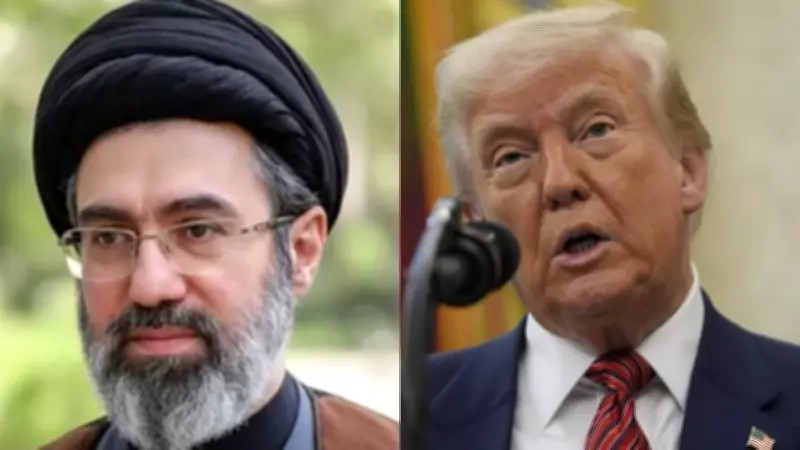
Iran's New Supreme Leader Mojtaba Khamenei Ready to Negotiate with US, Israeli Media Reports
In a significant development that could reshape Middle Eastern geopolitics, Israeli media outlets have reported that Iran's newly appointed Supreme Leader, Mojtaba Khamenei, is prepared to engage in negotiations with the United States. This revelation, emerging from sources within Israeli intelligence and diplomatic circles, suggests a potential departure from the traditionally hardline stance of the Iranian establishment under his predecessor, Ayatollah Ali Khamenei.
Details of the Reported Readiness for Dialogue
The reports, which surfaced in early 2026, indicate that Mojtaba Khamenei has signaled a willingness to discuss a range of contentious issues with Washington, including the nuclear program, regional security, and economic sanctions. This move is seen as an attempt to ease international isolation and address Iran's struggling economy, which has been crippled by years of stringent sanctions. Analysts note that this openness, if confirmed, could mark a strategic pivot aimed at reducing tensions and exploring diplomatic pathways previously deemed untenable.
Context and Implications for Regional Stability
Mojtaba Khamenei's ascension to the role of Supreme Leader follows a period of intense speculation and internal power struggles within Iran's political and religious hierarchies. His reported readiness to negotiate comes amid ongoing conflicts in the region, including the Israel-Hamas war and proxy confrontations involving Iranian-backed groups. Israeli media sources suggest that this potential shift might be driven by domestic pressures, such as public discontent over economic hardships and a desire to avoid further military escalations that could destabilize the regime.

International Reactions and Future Prospects
The international community, particularly the United States and its allies, has yet to officially respond to these reports. However, experts believe that if Iran follows through with negotiations, it could lead to a recalibration of foreign policies in the Middle East, potentially easing sanctions and fostering greater cooperation on security issues. The situation remains fluid, with observers closely monitoring for official statements from Tehran and Washington to validate the claims made by Israeli media.






