

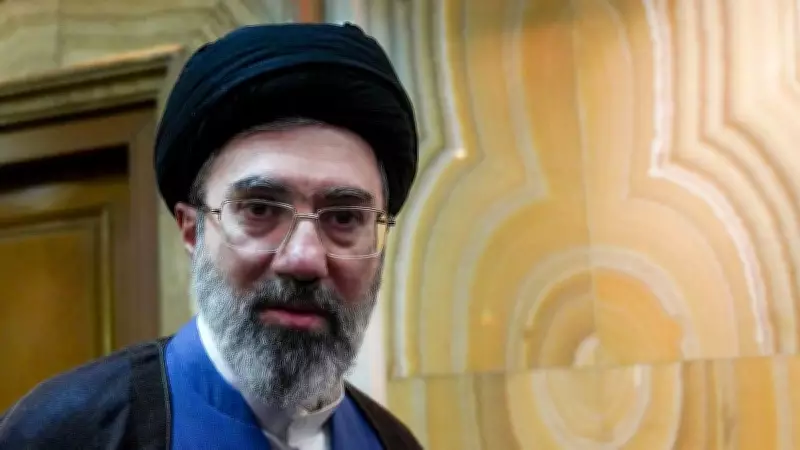
Iran's Supreme Leader Announces New Strategic Phase for Strait of Hormuz Management
In a significant development broadcast on state television, Iran's Supreme Leader Mojtaba Khamenei has declared that the country is preparing to move into a fresh strategic phase concerning the management of the Strait of Hormuz. This announcement marks a pivotal moment in regional geopolitics, highlighting Iran's intent to assert greater control over one of the world's most critical maritime chokepoints.
Details of the Announcement
The message from Supreme Leader Khamenei was aired on Iranian state television, where he emphasized that Iran is gearing up for a new phase in its approach to the Strait of Hormuz. This strategic waterway, located between the Persian Gulf and the Gulf of Oman, is a vital conduit for global oil shipments, with approximately one-fifth of the world's petroleum passing through it daily.
Khamenei's statement underscores Iran's ongoing efforts to enhance its maritime capabilities and influence in the region. The move is seen as part of broader geopolitical maneuvers amid tensions with neighboring countries and international powers, particularly the United States.

Implications for Regional and Global Dynamics
The Strait of Hormuz has long been a flashpoint in Middle Eastern politics, with Iran previously threatening to close the strait in response to sanctions or military threats. This new strategic phase could involve:
- Increased naval patrols and surveillance to monitor shipping traffic more closely.
- Enhanced diplomatic engagements with regional stakeholders to secure Iran's interests.
- Potential upgrades to Iran's military infrastructure along the strait's coastline.
Analysts suggest that this announcement may signal Iran's desire to play a more assertive role in global energy security, leveraging its geographical position to gain economic and political leverage. The timing of this move, amid ongoing conflicts and diplomatic negotiations in the Middle East, adds to its significance.
Context and Background
Iran has historically viewed the Strait of Hormuz as a strategic asset, given its proximity and control over the waterway. Previous incidents, such as tanker seizures and naval standoffs, have highlighted the strait's vulnerability to regional tensions. Khamenei's latest message reinforces Iran's commitment to safeguarding its maritime sovereignty while potentially challenging the status quo.
This development comes as part of Iran's broader foreign policy objectives, which include countering Western influence and strengthening ties with allies in the region. It may also impact international trade routes, prompting responses from other nations dependent on the strait for oil exports.
In summary, Supreme Leader Mojtaba Khamenei's announcement of a new strategic phase for the Strait of Hormuz management marks a critical juncture in Iran's geopolitical strategy. As the country prepares to implement these changes, the world watches closely, anticipating shifts in regional power dynamics and global energy markets.






