

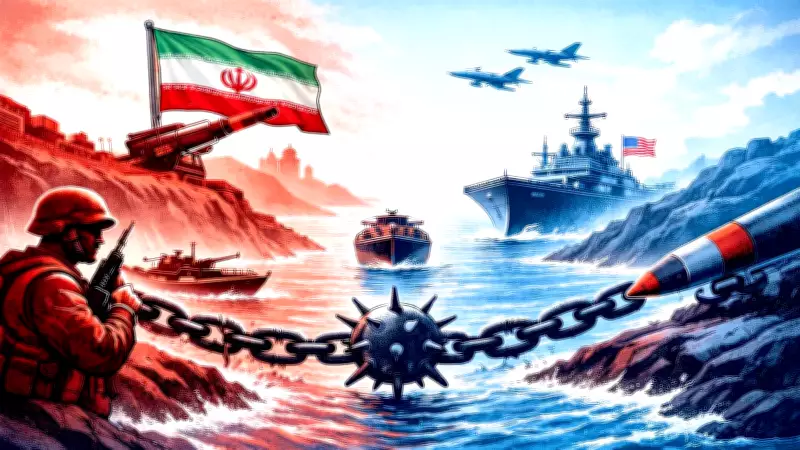
Iran's Revolutionary Guard Delivers Direct Warning to Former US President Trump
The Islamic Revolutionary Guard Corps (IRGC), Iran's elite military force, has issued a stern and unambiguous warning to former United States President Donald Trump. This development comes amid heightened geopolitical tensions in the strategically vital Strait of Hormuz and across the broader Middle Eastern region. The IRGC's message underscores the volatile nature of international relations in this area, which remains a critical flashpoint for global energy security and diplomatic stability.
Escalating Rhetoric in the Strait of Hormuz
The Strait of Hormuz, a narrow maritime chokepoint through which approximately one-fifth of the world's oil passes daily, has long been a focal point of contention between Iran and Western powers, particularly the United States. The IRGC's recent statements appear to be a direct response to perceived threats or provocative actions from the Trump administration's legacy policies, which included a "maximum pressure" campaign against Tehran. This campaign involved severe economic sanctions and increased military posturing, elements that continue to influence current dynamics.
Analysts suggest that the warning serves as a reminder of Iran's military capabilities and its willingness to defend its interests in the region. The IRGC, known for its significant influence over Iran's foreign and security policies, has previously engaged in naval exercises and operations in the strait to assert control. This latest communication amplifies concerns about potential miscalculations or escalations that could disrupt global oil supplies and trigger broader conflicts.

Broader Implications for Middle East Stability
Beyond the immediate context of the Strait of Hormuz, the IRGC's warning to Trump reflects deeper, ongoing tensions in the Middle East. These include unresolved issues such as Iran's nuclear program, regional proxy conflicts, and the complex web of alliances involving countries like Saudi Arabia, Israel, and the United Arab Emirates. The statement may also be interpreted as a signal to the current US administration, led by President Joe Biden, regarding Iran's expectations in any future negotiations or diplomatic engagements.
Experts note that such public warnings are not uncommon in the region's high-stakes diplomacy, but they carry added weight given the historical animosity between Iran and the US. The Trump administration's decision to withdraw from the Iran nuclear deal in 2018 and reimpose sanctions has left a legacy of distrust, which the IRGC's message seems to exploit to reinforce Iran's strategic posture. This situation complicates efforts to de-escalate tensions and pursue peaceful resolutions to regional disputes.
Potential Risks and Global Concerns
The IRGC's direct address to Trump raises several critical questions about the future of security in the Middle East:
- Increased Military Risks: There is a heightened possibility of accidental clashes or deliberate provocations in the Strait of Hormuz, which could escalate into larger confrontations.
- Impact on Oil Markets: Any disruption in the strait could lead to spikes in global oil prices, affecting economies worldwide and exacerbating inflationary pressures.
- Diplomatic Challenges: The warning may hinder diplomatic efforts, making it harder for current US and international leaders to engage Iran in constructive dialogue.
- Regional Proxy Conflicts: Tensions could spill over into other areas, such as Yemen or Syria, where Iran and its adversaries are already involved in indirect conflicts.
In conclusion, the IRGC's warning to former President Trump is a significant development in the ongoing geopolitical struggle in the Middle East. It highlights the fragile balance of power in the Strait of Hormuz and serves as a stark reminder of the potential for escalation in one of the world's most volatile regions. As global powers monitor the situation closely, the need for cautious diplomacy and conflict prevention measures becomes ever more urgent to avoid a broader crisis.






