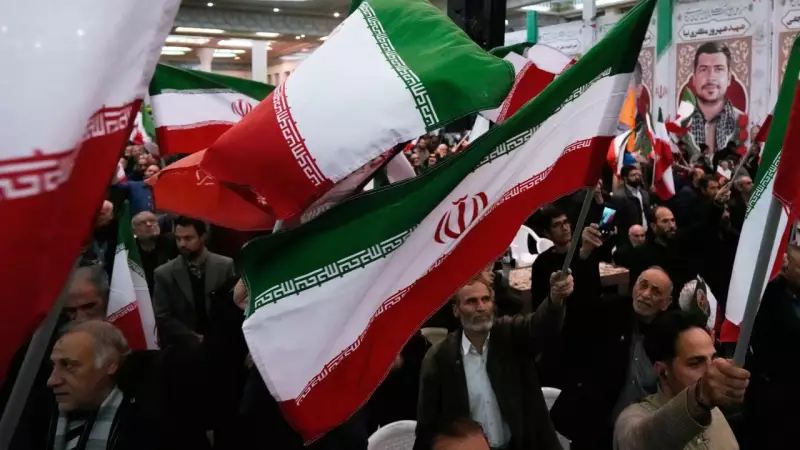
Iran is grappling with a near-total nationwide internet blackout that has persisted for more than 36 to 48 hours, severely crippling communication as authorities attempt to quell widespread anti-government protests. Independent monitors report connectivity has plummeted to a tiny fraction of normal levels in what appears to be a centrally imposed digital shutdown.
A Deliberate Digital Blackout
Global internet monitoring group NetBlocks confirmed the extensive disruption, which has sharply curtailed Iranians' ability to share information and communicate. Cybersecurity experts indicate this is an intentional act—often described as an "internet kill switch"—and not a technical failure. The move is widely seen as an effort by the regime to limit coverage of ongoing events on the ground and disrupt the coordination of protests.
Alp Toker, the CEO of NetBlocks, described the situation to Fox News as "Iran’s war against its own population using digital means." He noted that the blackout began as a piecemeal measure before eventually encompassing the entire country, with the government willing to sustain it for an extended period. Toker warned that the blackout could potentially last for days or weeks as the regime attempts to cover up alleged crimes committed by security forces.

Severe Impact on Life and Communication
The scale of the disruption is unprecedented. NetBlocks has described it as among the most severe ever recorded in Iran, with current connectivity levels below 2% of ordinary levels. "This is a nationwide disruption that is impacting almost all services, all connectivity and all avenues of life, extending beyond just mobile phones and computers," Toker stated.
The shutdown is affecting essential services, including banking, and has severely restricted internal communication. While there are minimal gaps—such as the possibility of communication near borders via cross-border Wi-Fi or mobile signals—these options are increasingly rare. The regime has also banned satellite internet equipment like Starlink, using anti-espionage technology to trace any remaining links.
Protests, Casualties, and a Pattern of Repression
The blackout coincides with major nationwide protests challenging Iran's theocracy, which began on December 28. The unrest was triggered by a deepening economic crisis, the collapse of the Iranian rial, and soaring inflation, driving frustrated traders and university students into the streets of major cities like Tehran.
According to the Associated Press, at least 116 people have been killed in violence linked to these protests. The US-based Human Rights Activists News Agency reports that more than 2,600 individuals have been arrested. Amnesty International condemned the authorities' response, stating that people daring to express anger at "decades of repression" are being met with a "deadly pattern" of security forces unlawfully firing at, chasing, arresting, and beating protesters.
Observers note these are the largest demonstrations since 2022, when the death of 22-year-old Mahsa Amini in police custody sparked similar nationwide upheaval. Toker highlighted that compared to past multi-week blackouts in 2019 and 2022, the current measure is more extreme. "In this recent case, they pulled the plug... which suggests that the regime is scared and isn’t taking risks when it comes to the possibility of information reaching the outside world," he said. With internet access restricted and phone lines cut, assessing the full scale of the demonstrations has become exceedingly difficult.