

Reports emerging from Israeli media have sent shockwaves through the international security community, alleging that Iran has been exploring the development of an advanced "fourth-generation" pure fusion nuclear weapon. This revelation has left Israel, a long-standing adversary, deeply concerned about the potential shift in the regional power balance.
What is a Pure Fusion Bomb?
Unlike traditional atomic weapons that rely on fission reactions using uranium or plutonium, a pure fusion device represents a theoretical leap in nuclear technology. No country in the world is known to have successfully mastered this technology yet. The most alarming aspect for non-proliferation experts is that such a weapon could potentially bypass the need for enriched uranium or plutonium, the materials that are heavily monitored under global treaties. Furthermore, it is believed to produce significantly less radioactive fallout, making it a so-called "cleaner" but equally devastating bomb.
Iran's Motives and Activities at Natanz
Analysts interpreting these reports suggest multiple motives behind Iran's alleged pursuit. These include potentially obscuring its conventional nuclear ambitions, finding a way around stringent non-proliferation rules, and building a reservoir of advanced nuclear expertise for the future. Adding credence to these concerns is recent satellite imagery showing renewed activity at Iran's key nuclear site in Natanz. This activity is possibly linked to repairing facilities that were damaged during a brief but intense 12-day military confrontation between the U.S. and Iran back in June.

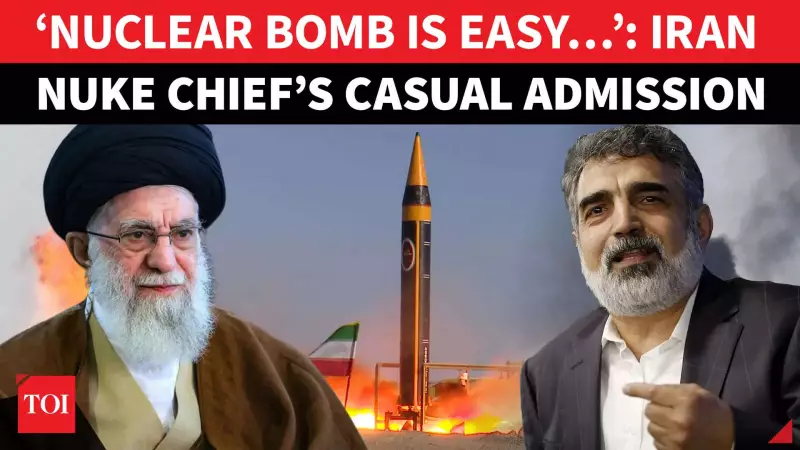
Compounding the tension are statements from Iran's nuclear chief, who has publicly claimed that the country's recent nuclear advances have made the process of building a bomb "simple." This boastful admission comes at a time when the International Atomic Energy Agency (IAEA) faces significant hurdles in its monitoring efforts. IAEA inspections remain severely limited due to ongoing security concerns and a lack of cooperation, leaving critical gaps in the world's understanding of Iran's capabilities.
Global Stalemate and Rising Tensions
The situation has created a dangerous stalemate on the global stage. The core issues of verification, actual capabilities, and ultimate intent remain hotly contested. With Iran making bold technological claims and restricting access, and Israel feeling "spooked" by the possibility of a game-changing weapon, the risk of miscalculation is high. The international community is now faced with the urgent challenge of finding a new diplomatic pathway to address these escalating nuclear tensions and prevent a new arms race in the already volatile Middle East.






