Iran's Firm Stance on Sovereignty and Dignity in US Stalemate
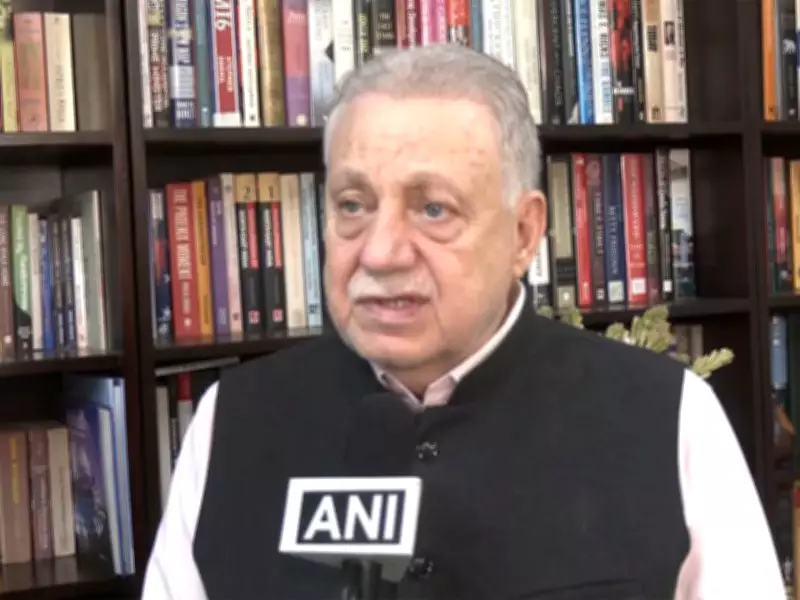
In a recent analysis of the ongoing diplomatic impasse between Iran and the United States, foreign policy expert Waiel Awwad highlighted that Iran is delivering a clear and unambiguous message to the international community. According to Awwad, the core of Iran's position revolves around the fundamental principle that its national dignity and sovereignty must be respected by all nations, particularly the United States. This stance has become a central pillar in the protracted stalemate, shaping negotiations and regional dynamics.
Expert Insights on Iran's Strategic Communication
Waiel Awwad, a seasoned analyst with extensive experience in Middle Eastern affairs, pointed out that Iran's approach is not merely about political posturing but a deeply ingrained aspect of its foreign policy. He explained that Iran views respect for its sovereignty as non-negotiable, and any attempts by external powers, especially the US, to undermine this are met with firm resistance. This perspective is rooted in historical contexts, including past interventions and sanctions, which have fueled Iran's determination to assert its independence on the global stage.
The expert further elaborated that Iran's messaging is consistent across various diplomatic channels, from official statements to actions in international forums. By emphasizing dignity and sovereignty, Iran aims to reinforce its legitimacy and counter what it perceives as Western hegemony. This strategy has implications for the broader Middle East region, influencing alliances and conflicts, as Iran seeks to position itself as a key player that cannot be sidelined or coerced.

Implications for US-Iran Relations and Regional Stability
The stalemate between the US and Iran has persisted for years, with issues such as nuclear agreements, economic sanctions, and regional proxy wars at the forefront. Awwad noted that Iran's insistence on respect for its sovereignty complicates efforts to resolve these disputes, as it requires the US to acknowledge Iran's autonomy and rights as a sovereign state. Without this recognition, breakthroughs in diplomacy remain elusive, leading to prolonged tensions that affect not only bilateral relations but also global security.
Moreover, Awwad emphasized that Iran's message resonates with other nations in the region and beyond, particularly those that have faced similar challenges with Western powers. This has allowed Iran to build strategic partnerships and foster a narrative of resistance against external pressure. However, it also risks escalating conflicts, as the US and its allies may view Iran's stance as provocative, potentially leading to further confrontations or military escalations.
In conclusion, Waiel Awwad's analysis underscores that Iran's clear communication regarding its dignity and sovereignty is a critical factor in the US-Iran stalemate. As both nations navigate this complex relationship, the need for mutual respect and diplomatic engagement becomes increasingly urgent to avoid destabilizing the region further. The expert's insights shed light on the nuanced dynamics at play, highlighting how principles of national pride can shape international politics in profound ways.