

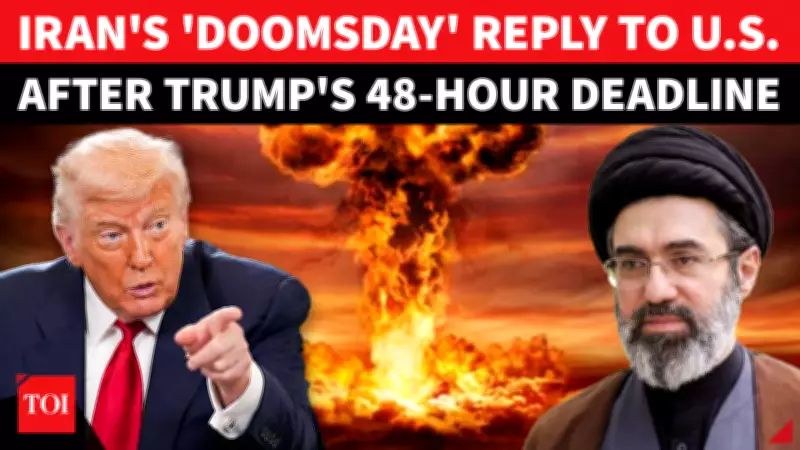
Iran Reveals Four-Point Punitive Strategy Amid Escalating US-Israel Tensions
Tensions in the Middle East have surged dramatically as the world anxiously monitors the intensifying conflict between Iran and the United States–Israel alliance. With US President Donald Trump's 48-hour deadline rapidly approaching, Tehran has issued a stark and chilling warning of massive retaliation, raising global concerns about potential economic and security repercussions.
Four Immediate Countermeasures Outlined by Iranian Commander
According to authoritative reports, a senior commander from the Khatam al-Anbiya Central Headquarters, Lieutenant Colonel Ebrahim Zolfaghari, has detailed four specific and immediate countermeasures that Iran will implement if its energy facilities come under attack. These measures represent a significant escalation in Tehran's defensive posture and strategic planning.
The first and most critical measure involves the potential closure of the strategically vital Strait of Hormuz. This narrow waterway serves as a crucial maritime chokepoint through which approximately one-fifth of the world's oil supply passes daily. Any disruption to this shipping lane could trigger immediate global oil price spikes and create substantial economic instability across international markets.

Comprehensive Regional Strike Capabilities
Iran's second retaliatory measure includes widespread strikes on Israeli infrastructure, targeting both military and civilian facilities. The third component involves attacks on US-linked companies operating throughout the Middle East region, potentially affecting numerous multinational corporations with American affiliations.
The fourth and final countermeasure focuses on energy facilities located in countries that host American military bases. This strategic approach demonstrates Iran's willingness to expand any conflict beyond direct confrontation with the United States and Israel, potentially drawing additional regional players into the escalating situation.
Global Concerns Mount as Red Lines Are Drawn
As threats continue to escalate and diplomatic red lines are firmly established, international fears are growing regarding the potential for a broader regional conflict with far-reaching global consequences. The situation represents one of the most serious geopolitical crises in recent years, with multiple nations closely monitoring developments and preparing contingency plans.
The Iranian warning comes at a particularly sensitive moment in Middle Eastern politics, with regional stability hanging in the balance. Military analysts and geopolitical experts are carefully assessing the potential ramifications of these threatened actions, particularly the economic impact of any disruption to global energy supplies through the Strait of Hormuz.
International diplomatic channels remain active as various nations attempt to mediate and de-escalate the situation before it reaches a point of no return. The coming hours will prove critical in determining whether diplomatic solutions can prevail or whether the region will descend into further conflict with unpredictable outcomes for global security and economic stability.






