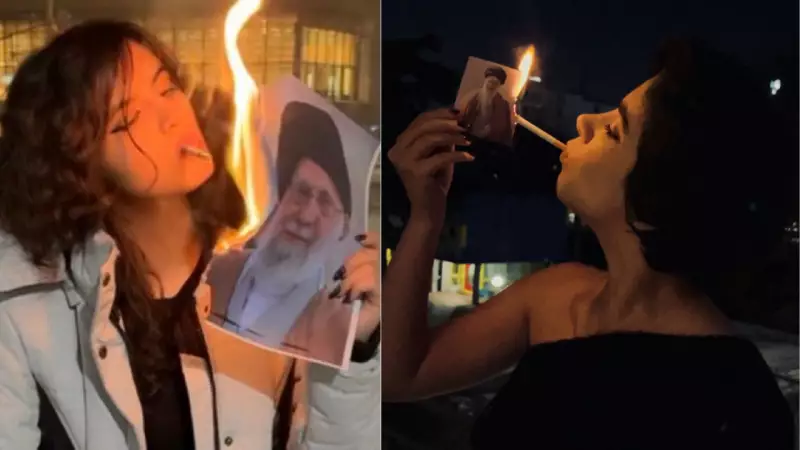
Powerful and defiant images have emerged from Iran, showing women lighting their cigarettes from burning photographs of Supreme Leader Ayatollah Ali Khamenei. This bold act of protest comes as citizens across the country take to the streets, driven to desperation by a severe economic crisis and soaring inflation.
Economic Despair Fuels Widespread Anger
The current wave of demonstrations was triggered by the Iranian rial's catastrophic plunge to a historic low of about 1.4 million against the US dollar. This currency collapse has unfolded alongside an inflation rate crossing 50%, with food prices skyrocketing by more than 70% compared to last year. The rapid erosion of wages has made basic necessities unaffordable for many, pushing public frustration to a boiling point.
These protests mark the largest public unrest Iran has witnessed since the nationwide 2022–23 protests that followed the death of Mahsa Amini. Amini died in custody after being arrested for allegedly violating the country's strict dress code for women.

A Symbolic and Dangerous Act of Defiance
The act of burning an image of the Supreme Leader is considered a grave offense in Iran and has led to severe state retaliation in the past. In November of last year, security forces raided the home of an activist after he posted a video of himself setting fire to a picture of Khamenei, forcing him into hiding, as reported by Iran Wire and a former political prisoner.
The authenticity of the latest images showing women using the burning portraits to light cigarettes, which have circulated widely on social media, could not be independently verified by all news outlets. However, they symbolize a profound and daring rejection of the country's leadership.
Security Crackdown and Reported Casualties
Rights organisations have accused Iranian security forces of using lethal violence against the current wave of demonstrators. The Associated Press reported that at least 62 people have been killed in the ongoing unrest.
In a specific incident, the Haalvsh rights group, which monitors Iran's Baluch Sunni minority, stated that security forces opened fire on protesters in Zahedan, the main city of Sistan-Baluchistan province. The shooting occurred after Friday prayers, resulting in an undisclosed number of casualties. This region has frequently been a flashpoint for protests and harsh state responses.
The combination of symbolic acts of resistance like burning the leader's image and the widespread economic protests presents a significant challenge to the Iranian establishment, which is responding with a familiar pattern of suppression.