Iran Issues Ultimatum Over Israel's Military Actions in Lebanon
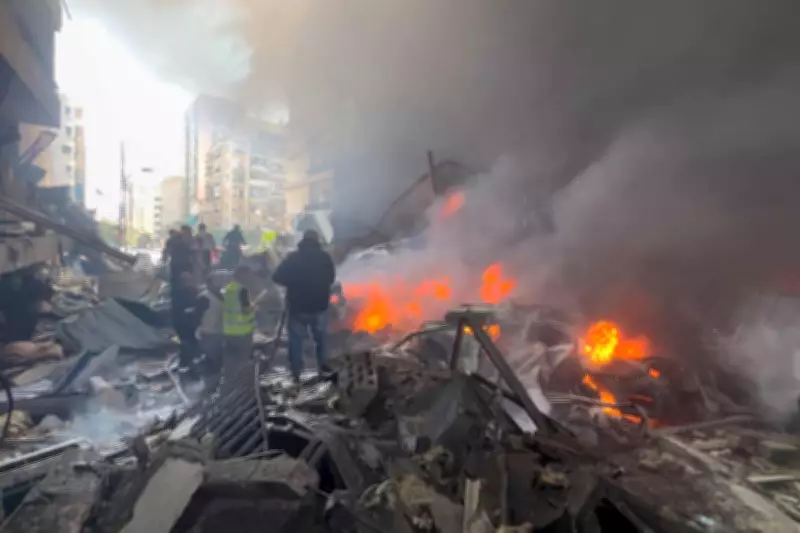
In a significant development that could destabilize the fragile peace in the Middle East, Iran has declared it will pull out of the existing ceasefire arrangement if Israel continues its offensive strikes on Lebanon. This announcement, made on April 8, 2026, underscores the escalating geopolitical friction in the region.
Details of the Ceasefire Agreement and Iran's Stance
The ceasefire agreement, which has been in effect to mitigate conflicts involving various regional actors, is now under severe threat due to Iran's firm position. Iranian officials have explicitly stated that any further Israeli attacks on Lebanese territory will be met with Iran's immediate withdrawal from the pact. This move highlights Iran's strategic alignment with Lebanon and its commitment to countering Israeli military actions.
Iran's warning comes amid reports of increased Israeli operations in Lebanon, which have raised concerns about a broader regional war. The Iranian government emphasized that the ceasefire was intended to foster stability, but Israel's persistent assaults undermine this goal. Analysts suggest that Iran's stance is part of a larger effort to assert its influence in the Middle East and protect its allies.

Potential Implications for Regional Security
If Iran follows through on its threat, the consequences could be far-reaching. The withdrawal from the ceasefire agreement might lead to:
- Renewed hostilities between Iran-backed groups and Israeli forces.
- Increased volatility in Lebanon, which is already grappling with internal political and economic challenges.
- A potential domino effect, drawing other nations into the conflict and exacerbating tensions across the Middle East.
International observers are closely monitoring the situation, urging restraint from all parties to prevent a full-scale escalation. The United Nations and other global bodies have called for dialogue to address the underlying issues, but the immediate focus remains on de-escalating the military confrontations.
Background and Context of the Conflict
The tensions between Israel and Lebanon have deep historical roots, often involving proxy conflicts with Iran. Iran's support for Lebanese factions, such as Hezbollah, has been a point of contention, with Israel viewing it as a direct threat to its security. The current ceasefire was a temporary measure to reduce violence, but Iran's ultimatum indicates that patience is wearing thin.
Recent Israeli attacks in Lebanon have targeted alleged militant positions, but Iran argues that these actions violate the spirit of the ceasefire. Iranian officials have not specified a timeline for their withdrawal, leaving room for diplomatic efforts to intervene. However, the threat alone has already heightened anxieties in the region, with many fearing a return to widespread conflict.
In summary, Iran's warning to exit the ceasefire agreement if Israel continues its strikes on Lebanon marks a critical juncture in Middle Eastern politics. The situation demands urgent international attention to avert further destabilization and protect civilian lives in the affected areas.