

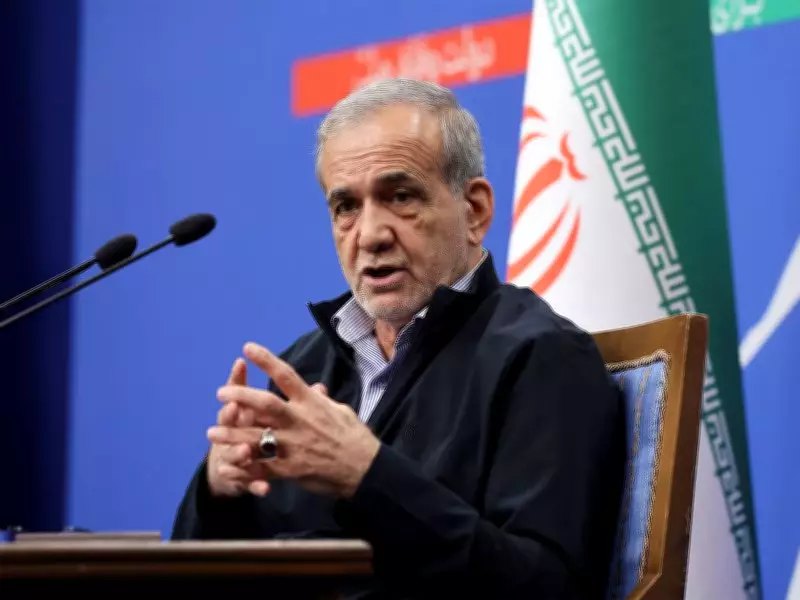
Iranian President Delivers Strong Warning to Gulf Nations Over Regional Security
In a significant diplomatic statement, Iranian President Ebrahim Raisi has issued a direct and forceful warning to countries within the Gulf Cooperation Council (GCC). He explicitly cautioned them against allowing their territories to be exploited by external enemies for the purpose of waging war in the region.
Core Message: Sovereignty and Regional Stability
President Raisi's remarks, delivered during a high-level meeting, emphasized the critical importance of national sovereignty and collective regional security. He stressed that Gulf nations must maintain control over their lands and not permit foreign powers to use them as staging grounds or proxies in conflicts. This message underscores Iran's longstanding position against foreign military intervention in the Middle East and its desire for regional issues to be resolved internally by neighboring states.
The Iranian leader articulated that the security and prosperity of the Persian Gulf region are intrinsically linked to the decisions made by its constituent nations. He implied that granting access or bases to external actors, often referred to as "enemies" in the context of Iran's geopolitical stance, could destabilize the entire area and lead to prolonged hostilities.

Context and Implications
This warning comes amid ongoing tensions in the Middle East, involving various state and non-state actors. The Gulf region, rich in oil resources and of strategic global importance, has frequently been a focal point for international rivalries. Iran's relations with several GCC members, such as Saudi Arabia and the United Arab Emirates, have been historically complex, marked by periods of both confrontation and diplomatic engagement.
Analysts suggest that Raisi's statement may be aimed at discouraging Gulf countries from deepening military or strategic alliances with nations perceived as adversarial to Iran, such as the United States or Israel. It also serves as a reminder of Iran's influential role in regional affairs and its capability to respond to perceived threats on its doorstep.
Potential Reactions and Future Outlook
The warning is likely to elicit varied responses from GCC members and the international community:
- GCC States: Some may view it as a provocative statement, potentially escalating diplomatic tensions, while others might see it as an invitation for dialogue on shared security concerns.
- Global Powers: Nations with interests in the Gulf may monitor the situation closely, as it touches upon broader issues of military presence and alliance structures in the region.
- Regional Dynamics: The announcement could impact ongoing negotiations or conflicts, influencing how Gulf nations navigate their foreign policies amidst competing pressures.
President Raisi's admonition highlights the fragile balance of power in the Middle East and the ongoing struggle for influence among regional and global players. It reinforces the narrative that the nations of the Gulf hold the key to their own stability and must exercise caution in their international partnerships to avoid becoming pawns in larger geopolitical games.






