The Iran Conflict's Unavoidable Lesson for Middle Powers
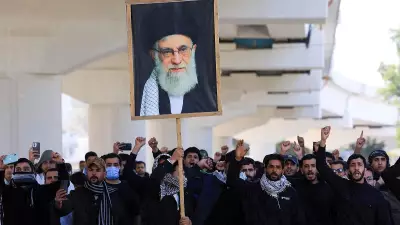
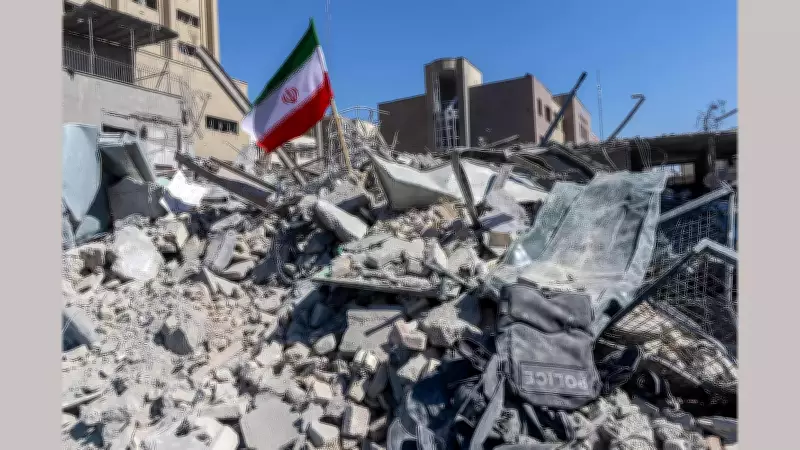
The recent Israel-led American military assault on Iran has sent shockwaves through the international community, forcing nations worldwide to reassess their security strategies. For middle powers—countries with significant regional influence but limited global military reach—this conflict delivers a stark and unambiguous message.
The Nuclear Imperative in a Post-Certainty World
What emerges most clearly from the Iran confrontation is this: to achieve immunity from arbitrary attacks by more powerful nations, a country must possess nuclear weapons and the means to deliver them effectively. This reality is exemplified by North Korea, which has managed to maintain its sovereignty despite intense international pressure precisely because of its nuclear capabilities.
The world has entered an era where previous certainties have evaporated. The long-standing assumption that the United States would provide a reliable nuclear umbrella for its presumed allies now lies shattered. The Iran conflict demonstrates that even nations with complex relationships with Washington cannot depend on American protection when strategic interests shift.
The Collapse of Traditional Security Assurances
This represents a fundamental transformation in global security dynamics. For decades, many nations operated under the belief that alliances and diplomatic agreements would shield them from aggression. The Iran war reveals that such assumptions are no longer valid in an increasingly multipolar world where power dynamics are constantly shifting.
No country seeking true autonomy can now make do without nuclear capability of its own. This isn't merely about deterrence in the traditional sense—it's about survival in a landscape where conventional military superiority alone cannot guarantee security against determined adversaries with greater resources.
The North Korean Model and Its Implications
The case of North Korea provides compelling evidence for this new reality. Despite international sanctions, diplomatic isolation, and overwhelming conventional military disadvantages, Pyongyang has maintained its independence through its nuclear program. This success hasn't gone unnoticed by other middle powers observing the Iran conflict.
Several key implications emerge from this analysis:
- Nuclear weapons have become the ultimate equalizer in international relations
- Traditional security guarantees are increasingly unreliable
- Middle powers face a binary choice: develop nuclear capabilities or accept vulnerability
- The non-proliferation regime faces unprecedented challenges
The Iran war lesson extends beyond immediate military considerations. It speaks to a broader shift in how nations perceive sovereignty and security in the 21st century. As the dust settles from this conflict, defense planners in capitals around the world are undoubtedly asking the same fundamental question: if not nuclear weapons, then what?