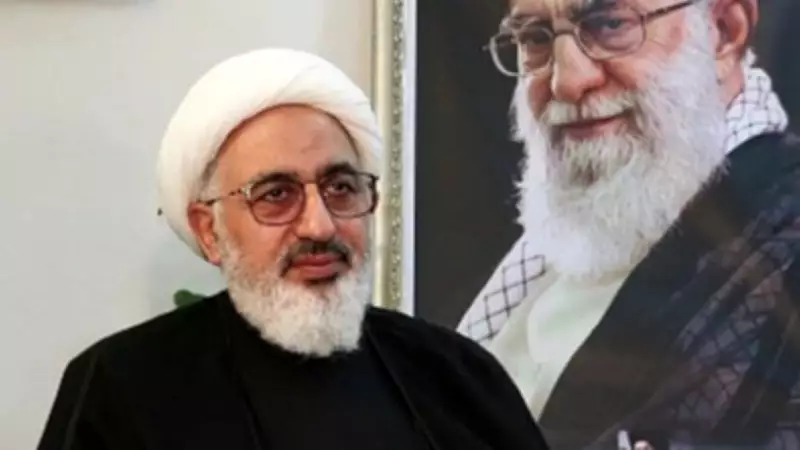
Iran's Supreme Leader's Representative Declares Readiness for Prolonged War
A high-ranking representative of Iran's Supreme Leader, Ayatollah Ali Khamenei, has made a bold statement regarding the ongoing conflict in the Middle East. In a recent address, the representative asserted that Iran is fully prepared to continue the war for an extended period, specifically mentioning a duration of up to five years. This declaration underscores Iran's steadfast commitment to its strategic objectives in the region, despite international pressures and escalating tensions.
Unwavering Resolve in the Face of Conflict
The representative emphasized that Iran's stance is one of absolute determination, with no intention of backing down. "No, never, ever," the official stated, highlighting the country's refusal to concede or seek a quick resolution. This rhetoric reflects a broader strategy aimed at demonstrating Iran's resilience and capability to endure prolonged military engagements. The statement comes amid heightened geopolitical instability, with Iran positioning itself as a key player in regional power dynamics.
Implications for Middle East Stability
This announcement has significant implications for the Middle East, where conflicts have been ongoing for years. Iran's readiness to sustain a war for five years suggests a long-term approach that could further destabilize the area. Analysts note that such declarations may influence the strategies of neighboring countries and international actors involved in the region. The potential for extended hostilities raises concerns about humanitarian impacts, economic disruptions, and the broader security landscape.

Historical Context and Strategic Goals
Iran's history of involvement in regional conflicts provides context for this latest statement. The country has often used proxy forces and asymmetric warfare to advance its interests, and this vow to continue fighting aligns with its broader geopolitical ambitions. The Supreme Leader's representative's words signal a commitment to protecting Iran's influence and countering perceived threats from adversaries. This stance is likely to shape future diplomatic and military maneuvers in the Middle East.
International Reactions and Future Outlook
Global responses to Iran's declaration are expected to be mixed, with some nations calling for de-escalation while others may reinforce their own military postures. The prospect of a five-year war adds urgency to international efforts aimed at conflict resolution and peacebuilding. As tensions persist, the focus will be on how Iran's adversaries and allies adjust their policies in response to this firm stance. The situation remains fluid, with the potential for further escalations or diplomatic breakthroughs in the coming months.