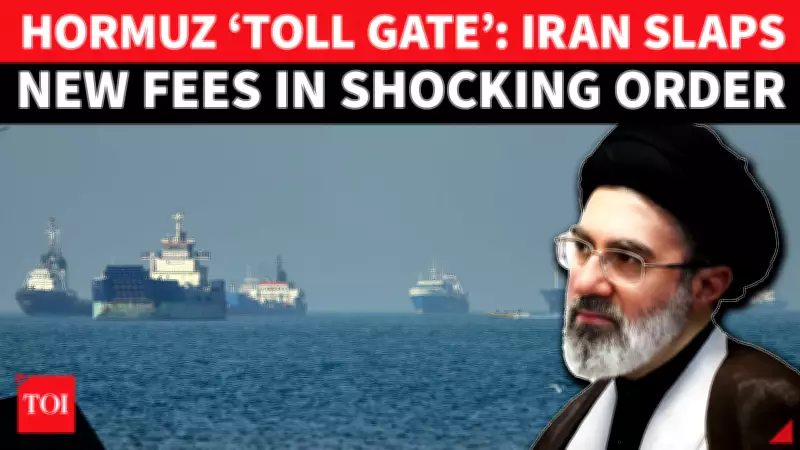
Iran is set to tighten its grip over the Strait of Hormuz, the world's most critical oil chokepoint. Ebrahim Azizi, head of the Iranian parliament’s national security committee, announced that Tehran has finalized a designated route system for vessels passing through the waterway. According to Iranian officials, only commercial ships and countries cooperating with Iran will benefit from the arrangement, while fees will be charged for “specialized services” provided under the mechanism.
The development follows earlier remarks by Iran’s new supreme leader Mojtaba Khamenei, who unveiled a new “Hormuz rulebook” with suggestions including receiving payments from ships crossing the Strait in Iranian rials. The move is seen as an escalation in Iran's strategy to control the strategic waterway, through which about 20% of the world's oil passes.
Azizi emphasized that the new system is designed to ensure security and order in the Strait, but critics argue it could lead to increased tensions with global powers, particularly the United States. The announcement comes amid ongoing geopolitical frictions, with Iran facing sanctions and military pressure from the US and its allies.

In related developments, China has reportedly expressed support for Iran's stance on the Strait of Hormuz, sending a strong message to the Trump administration. Meanwhile, Iran's army chief has vowed to defend the nation against any US or Israeli threats, stating they will fight “till the last drop of blood.” The US Navy has also appealed for increased funding to maintain naval operations in the region, warning of potential disaster if resources are not allocated.
The Strait of Hormuz has long been a flashpoint in Middle East tensions, and Iran's latest move could further disrupt global oil supplies and maritime trade. International shipping companies and oil-dependent nations are closely monitoring the situation, as any disruption could lead to significant economic repercussions.