As the 2026 FIFA World Cup draws near, the perennial question of global football dominance resurfaces. Despite the rise of teams from other continents, the balance of power still firmly rests in Europe. The 2010 champions, Spain, may have faded, but a new generation of European powerhouses has emerged, each boasting remarkable depth and tactical cohesion.
Germany: Depth and Cohesion Make Them Favorites
Germany, winners in 2014, enter the tournament with a squad brimming with talent. Jamal Musiala, the young Bayern Munich star, has become the creative heartbeat of the team. His dribbling, vision, and goal-scoring ability make him one of the most dangerous players in the world. However, questions linger over Germany's defensive consistency. The backline, while experienced, has shown vulnerabilities against swift counter-attacks. Additionally, the lack of a dominant No. 9—a traditional target man—could be exposed against deep-lying defenses. Despite these concerns, the team's depth across all positions and their cohesive unit under the guidance of a seasoned coach make them genuine title frontrunners.
France: Defending Champions with Unmatched Talent
France, the reigning champions, remain a formidable force. Kylian Mbappe, arguably the best player in the world, leads the attack with blistering pace and clinical finishing. The squad is stacked with world-class talent in every department, from the midfield engine room to the defensive line. However, internal discord and tactical rigidity have sometimes plagued Les Bleus. If they can harness their individual brilliance into a collective effort, they are more than capable of retaining the trophy.

Portugal: The Ronaldo Factor
Portugal, the 2016 European champions, still rely heavily on the ageless Cristiano Ronaldo. At 41, his physical decline is evident, but his positioning, leadership, and knack for decisive moments remain invaluable. The supporting cast, including Bruno Fernandes and Bernardo Silva, provides creativity and goals. Yet, Portugal's defensive solidity often wavers against top-tier opposition. Their path to glory hinges on Ronaldo's ability to inspire one more heroic campaign.
England: Hungry for Glory
England, runners-up in 2020, have a golden generation led by Harry Kane. The captain is a prolific goal-scorer and a brilliant playmaker. The team's attacking depth is impressive, with players like Jude Bellingham and Bukayo Saka adding dynamism. Defensively, England have improved but still lack the steel of past eras. Their mental fortitude in high-pressure matches will be tested. If they can overcome their historical penalty shootout woes, they have the quality to go all the way.
Other European Contenders
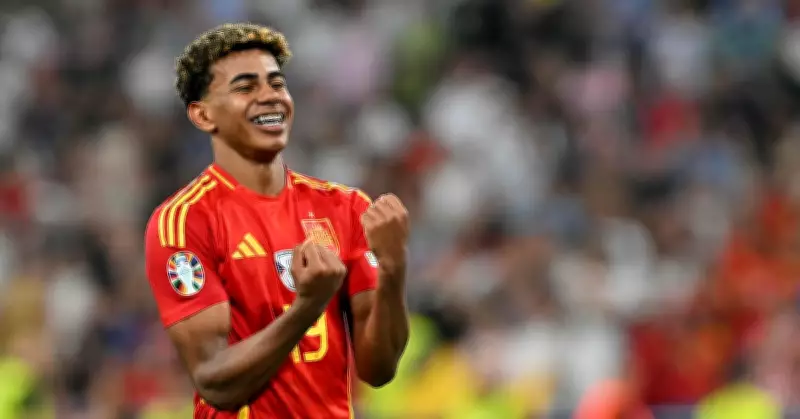
Beyond these four, teams like Spain, Italy, and the Netherlands cannot be discounted. Spain's young core, Italy's tactical discipline, and the Netherlands' attacking flair ensure that Europe's dominance is not just about a few teams. The continent's superior infrastructure, coaching, and player development continue to produce elite talent.
Global Challenge
Nonetheless, the gap is narrowing. South American giants Brazil and Argentina possess match-winners like Vinicius Jr. and Lionel Messi. African teams like Senegal and Morocco have shown they can compete with the best. However, the depth and cohesion of European squads remain unmatched. The 2026 World Cup will likely reaffirm that power still lies in Europe, even as the global game evolves.