Iran Escalates Military Presence in Strait of Hormuz Amid US De-escalation
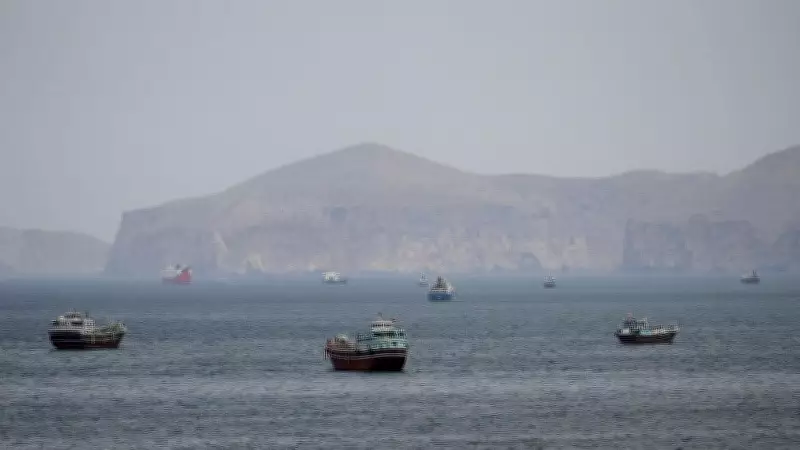
In a significant geopolitical development, Iran has moved to tighten its control over the strategically vital Strait of Hormuz. This action comes directly after the United States officially called off plans for renewed military attacks in the region. The strait, a critical chokepoint for global oil shipments, has long been a flashpoint in tensions between Iran and Western powers.
Conditional Ceasefire Demands from Iranian Leadership
Mohammad Baqer Qalibaf, who serves as both the Speaker of Iran's Parliament and the nation's lead negotiator, issued a firm statement regarding the potential for peace. He declared that a full and comprehensive ceasefire would only be logical and feasible if the ongoing maritime blockade against Iran is completely lifted. This condition underscores Tehran's stance that security concessions must be reciprocal.
Qalibaf emphasized that Iran's military maneuvers are defensive in nature, aimed at safeguarding national sovereignty and ensuring the free flow of commerce through international waters. The reinforcement of naval assets and coastal defenses along the strait is portrayed as a necessary response to perceived external threats.

Background of US Decision and Regional Implications
The United States' decision to cancel planned military strikes marks a notable shift in its approach to the escalating situation. Analysts suggest this move could be an attempt to de-escalate hostilities and open diplomatic channels, though it has inadvertently prompted Iran to assert greater dominance over the waterway.
The timing of these events is crucial, as they unfold against a backdrop of prolonged negotiations and sporadic confrontations. The Strait of Hormuz handles approximately one-fifth of the world's oil shipments, making any military activity there a matter of global economic concern.
- Iran has deployed additional naval patrols and surveillance systems.
- The US military has repositioned some assets but maintains a presence in the Persian Gulf.
- Regional allies are monitoring the situation closely, with some expressing support for heightened security measures.
This development highlights the fragile balance of power in the Middle East, where military posturing and diplomatic statements are intricately linked. The international community continues to watch closely, as further actions by either side could significantly impact global energy markets and regional stability.