

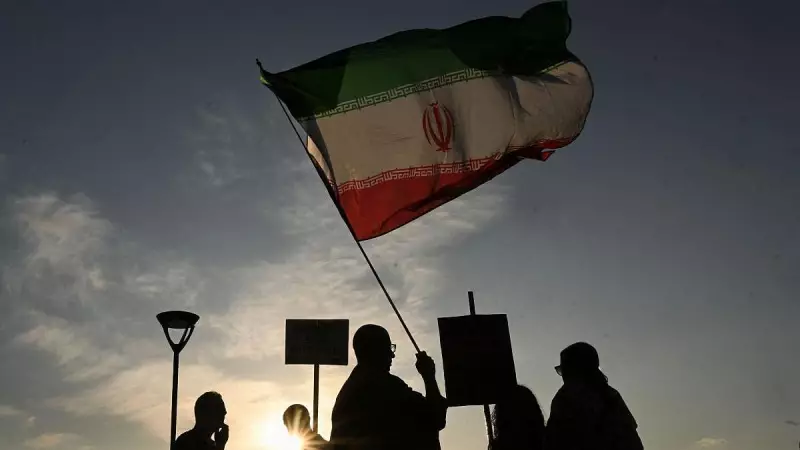
University campuses across Iran have become the latest flashpoint for public discontent, with students staging protests against a severe decline in living standards and the country's deepening economic crisis. The demonstrations, which began in recent days, highlight the growing frustration among the youth over skyrocketing costs and perceived government inaction.
Widespread Demonstrations Across Campuses
The protests were not isolated to a single institution but erupted simultaneously at several prominent universities. Students at the prestigious University of Tehran, Sharif University of Technology, and Amirkabir University were at the forefront, voicing their grievances loudly. Social media footage, widely circulated despite internet restrictions, showed crowds of students gathering, chanting slogans, and holding signs that pointed directly to their economic struggles.
The core of their anger stems from a rapid deterioration in purchasing power. With inflation running rampant, many students find it increasingly difficult to afford basic necessities. The cost of food, housing, and educational materials has soared, placing immense strain on students and their families. Their chants and placards made direct references to these hardships, moving beyond political slogans to focus on the daily battle for survival.

The Economic Backdrop of Discontent
These student-led actions did not occur in a vacuum. They are a direct response to Iran's profound economic challenges, exacerbated by international sanctions and domestic policy issues. The national currency, the rial, has lost significant value, driving up the price of imported goods and contributing to a severe cost-of-living crisis. For students, many of whom live on limited budgets, this economic pressure is felt acutely.
Observers note that the protests signify a critical shift. While previous waves of unrest often carried stronger political or social freedom messages, the current movement is galvanized by immediate economic distress. This makes the discontent particularly potent, as it resonates with a broad section of the population facing similar financial hardships, not just the student demographic.
Government Response and Future Implications
Authorities have been quick to respond to the demonstrations. There have been reports of a heightened security presence around university areas. The government typically attributes economic difficulties to external pressures like sanctions, urging national patience and unity. However, this narrative is increasingly met with skepticism by a young population facing a bleak economic future.
The persistence of these protests poses a significant challenge for the Iranian administration. Students have historically been a powerful force for change in the country. Their mobilization over economic issues could signal a new phase of sustained public pressure. The government's ability to address the underlying economic grievances, or its choice to suppress the demonstrations, will likely determine whether this wave of protests subsides or grows into a wider movement.
For now, the images of students protesting not for abstract ideals but for the ability to afford a decent life underscore the deep-rooted economic malaise in Iran. The world watches to see if this student activism becomes a catalyst for broader societal demand for economic reform and improved living standards.






