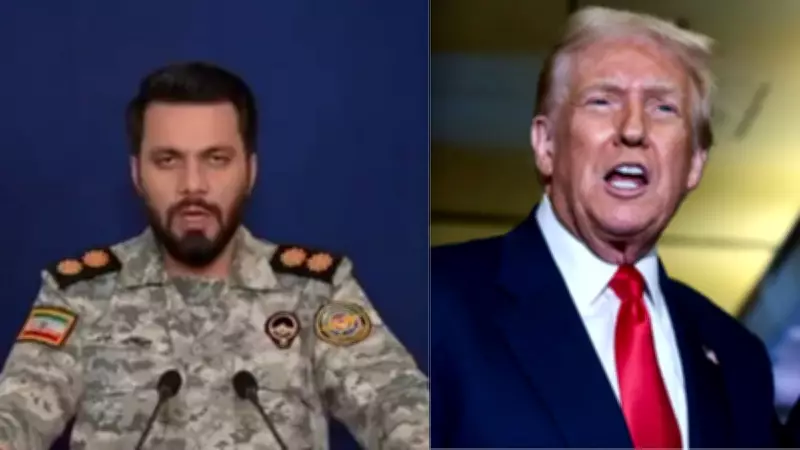
Iranian Military Confirms Strike on US Forces in Kuwait
In a significant escalation of regional tensions, Iran has confirmed that it targeted United States military forces who were relocated to Bubiyan Island in Kuwait. A spokesperson for the Iranian military made this announcement, highlighting a direct confrontation in the volatile Middle East. This development follows ongoing geopolitical strife and marks a notable incident in the complex web of international relations involving Iran, the US, and Gulf states.
Details of the Attack and Location
The strike specifically focused on US personnel stationed on Bubiyan Island, a strategic landmass in Kuwait known for its military significance. According to the military spokesperson, the attack was a calculated response, though further specifics regarding the timing, methods used, or exact casualties were not immediately disclosed. This action underscores Iran's assertive posture in the region, challenging US presence and influence in areas traditionally allied with Western powers.
Bubiyan Island, located in the Persian Gulf, serves as a key logistical hub and has previously hosted US and allied forces for training and operations. Its selection as a target by Iran points to heightened strategic calculations, potentially aimed at disrupting US military capabilities in the Gulf. The relocation of US forces to this island prior to the attack suggests ongoing adjustments in defense postures amid rising threats.

Implications for Middle East Stability
This incident adds to a series of confrontations between Iran and the US, which have included drone strikes, naval incidents, and proxy conflicts across the Middle East. The targeting of US forces on Kuwaiti soil could strain relations between Iran and Kuwait, a nation that has often sought to maintain neutrality in regional disputes. It also raises concerns about the potential for broader conflict, as such direct attacks risk triggering retaliatory measures from the US and its allies.
Analysts warn that this strike may signal a shift in Iran's military strategy, moving from indirect engagements to more overt actions against US assets. The Middle East remains a hotspot for geopolitical rivalries, with nations like Kuwait caught in the crossfire. Ongoing diplomatic efforts to de-escalate tensions face new challenges in light of this development.
Regional and Global Reactions
While official responses from the US and Kuwait are awaited, the international community is closely monitoring the situation. Key points include:
- Security Concerns: The attack highlights vulnerabilities in US military deployments and could prompt reassessments of force protection measures in the Gulf region.
- Diplomatic Fallout: Kuwait may face pressure to clarify its stance and enhance security cooperation with the US, potentially affecting its relations with Iran.
- Market Impacts: Such incidents often lead to fluctuations in oil prices and regional stability, impacting global economies.
As tensions simmer, the need for dialogue and conflict resolution mechanisms becomes increasingly urgent to prevent further escalation in this already volatile part of the world.