Iran has reportedly stopped exchanging messages with the United States and is considering blocking the Strait of Hormuz, a critical maritime chokepoint for global oil supplies, according to a recent report. This development marks a significant escalation in tensions between the two nations, which have been at odds over Iran's nuclear program and regional influence.
Background of the Tensions
The United States and Iran have maintained indirect communication channels, often through intermediaries such as Switzerland or Oman, to de-escalate conflicts and exchange messages on issues like nuclear negotiations and regional security. However, Iran's decision to halt these exchanges signals a hardening of its stance. The report, citing sources familiar with the matter, indicates that Iran is frustrated with what it perceives as a lack of progress in talks and continued US sanctions.
Strategic Importance of the Strait of Hormuz
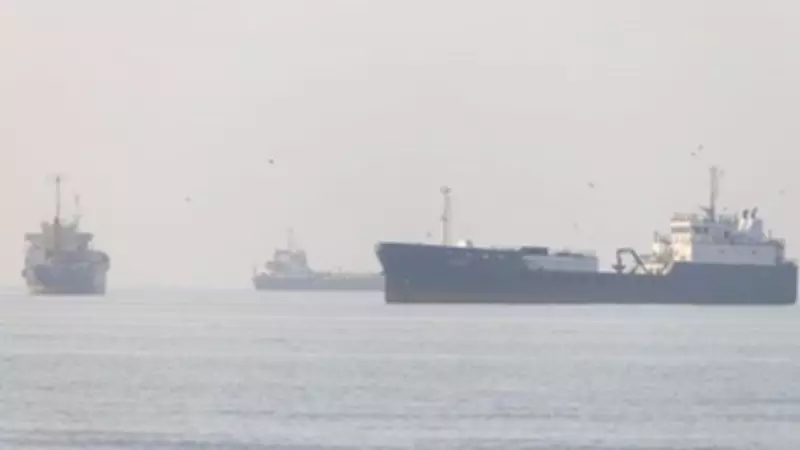
The Strait of Hormuz, located between Oman and Iran, is a vital passage for about 20% of the world's oil supply. Blocking the strait would disrupt global energy markets, potentially causing oil prices to surge. Iran has threatened to close the strait in the past during periods of heightened tension, but has rarely followed through. Analysts suggest that any attempt to block the strait would invite a strong military response from the US and its allies.

- Economic Impact: A blockade could lead to a sharp increase in oil prices, affecting global economies, especially those heavily reliant on Middle Eastern oil.
- Military Implications: The US Navy's Fifth Fleet, based in Bahrain, is tasked with ensuring freedom of navigation in the region. Any Iranian action would likely trigger a confrontation.
Reactions and Next Steps
The United States has not officially commented on the report, but officials have previously stated that they are prepared to defend the strait. Meanwhile, Iran's leadership has emphasized its right to control the waterway, citing national security concerns. The European Union and other international bodies have called for restraint, urging both sides to return to diplomatic channels.
This development comes amid ongoing negotiations over Iran's nuclear program, which have stalled in recent months. Iran has enriched uranium to near-weapons-grade levels, raising alarm in the international community. The halt in message exchanges could further complicate efforts to revive the 2015 nuclear deal, formally known as the Joint Comprehensive Plan of Action (JCPOA).
Regional Implications
Neighboring countries, including Saudi Arabia and the United Arab Emirates, are closely monitoring the situation. Both nations have previously been targets of Iranian-backed attacks and rely on the strait for oil exports. The potential blockade could also impact Iraq and other regional players, exacerbating economic instability.
In summary, Iran's decision to stop messaging with the US and its threat to block the Strait of Hormuz represent a dangerous escalation. The international community is watching closely, as any miscalculation could lead to a broader conflict with far-reaching consequences.