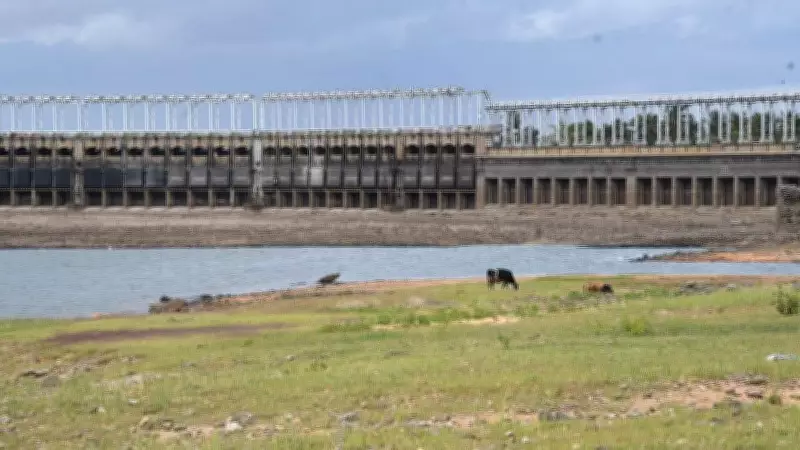
The monsoon slowdown has resulted in a significant depletion of water storage in dams across the Cauvery basin in Karnataka. According to the India Meteorological Department (IMD), the water level in key reservoirs is considerably lower compared to the same period last year.
Current Water Levels
As of the latest data, the water level in the Cauvery basin dams stands at a reduced level. On the corresponding day last year, the water level was recorded at 108.18 feet, with an inflow of approximately 17,000 cusecs. This year, the inflow has dropped sharply, leading to concerns about water availability for drinking and irrigation in the region.
Impact of Monsoon Slowdown
The delay and weak progression of the southwest monsoon have adversely affected the catchment areas of the Cauvery and its tributaries. The reduced rainfall has not only lowered the water levels but also decreased the inflow into major dams such as Krishna Raja Sagara (KRS), Kabini, and Harangi. These dams are crucial for meeting the water demands of Mysuru, Bengaluru, and the agricultural regions of south Karnataka.

Comparison with Previous Year
In June 2025, the water storage situation was more favorable due to timely monsoon rains. The current deficit highlights the variability of monsoon patterns and the need for efficient water management. The IMD has predicted that the monsoon may pick up pace in the coming weeks, but immediate concerns remain for the ongoing kharif season.
Government Measures
The Karnataka government is closely monitoring the situation and has urged farmers to adopt water-saving techniques. Officials from the Water Resources Department are assessing the storage levels to plan for potential water rationing if the deficit persists. Meanwhile, the Cauvery Water Management Authority (CWMA) has been informed about the reduced inflows to ensure compliance with interstate water-sharing agreements.
Conclusion
The monsoon slowdown serves as a reminder of the challenges posed by climate variability. As the state awaits more consistent rainfall, conservation efforts and prudent water use are essential to mitigate the impact on agriculture and daily life.