

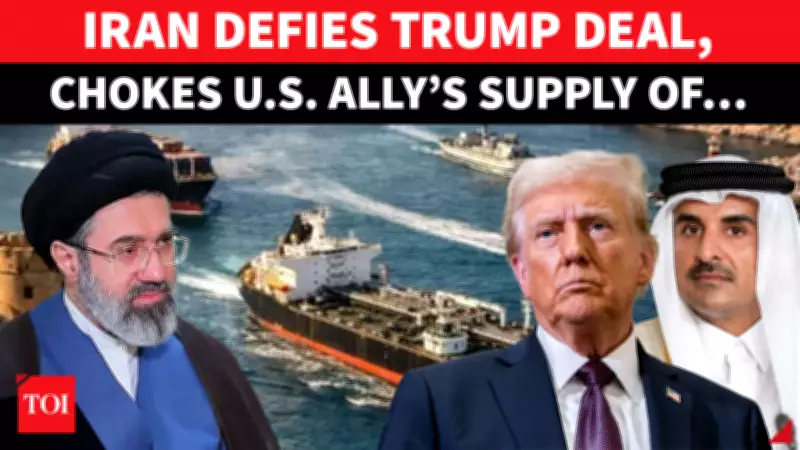
Iran's Bold Move: Qatari LNG Tankers Stopped Near Strategic Strait
In a development that has sent shockwaves through international energy markets, Iran has reportedly halted two Qatari liquefied natural gas (LNG) tankers near the critical Strait of Hormuz. This action comes despite explicit warnings from former U.S. President Donald Trump, raising immediate concerns about the escalating conflict's potential to disrupt global energy supplies.
Details of the Incident and Its Implications
According to multiple sources familiar with maritime operations, the vessels had previously received clearance for passage through the strategic waterway. However, they were unexpectedly stopped and ordered to maintain their current positions. This move directly contradicts earlier understandings and agreements aimed at ensuring safe and uninterrupted transit through one of the world's most vital shipping lanes.
The Strait of Hormuz serves as a crucial chokepoint for global energy transportation, with approximately one-fifth of the world's oil and a significant portion of LNG passing through its narrow waters daily. Any disruption here can have immediate and severe consequences for international markets.

Growing Fragility of Regional Shipping Arrangements
The lack of official explanation from Iranian authorities has created a cloud of uncertainty around their motivations. This opacity suggests that even the limited arrangements currently in place to stabilize shipping in the region are becoming increasingly tenuous and vulnerable to sudden breakdowns.
Analysts point to several concerning aspects of this development:
- The direct challenge to international norms of maritime freedom
- The potential for rapid escalation affecting multiple nations' energy security
- The undermining of fragile diplomatic efforts to maintain stability
- The demonstration of Iran's willingness to use energy infrastructure as leverage
Broader Context of Regional Tensions
This incident occurs against a backdrop of heightened tensions throughout the Middle East, with multiple conflicts showing signs of potential spillover into critical economic domains. The targeting of Qatari vessels is particularly significant given Qatar's position as one of the world's leading LNG exporters and its complex relationships with regional powers.
The timing of this action, following Trump's warnings, suggests either calculated defiance or a testing of international resolve regarding maritime security in the Persian Gulf.
Energy market observers are closely monitoring the situation, concerned that prolonged disruptions could trigger:
- Immediate price volatility in global energy markets
- Supply chain complications for LNG-dependent nations
- Increased insurance costs for shipping through the region
- Potential retaliatory measures from affected parties
The international community now faces critical questions about how to respond to this challenge to maritime security while preventing further escalation that could threaten global energy stability.






