

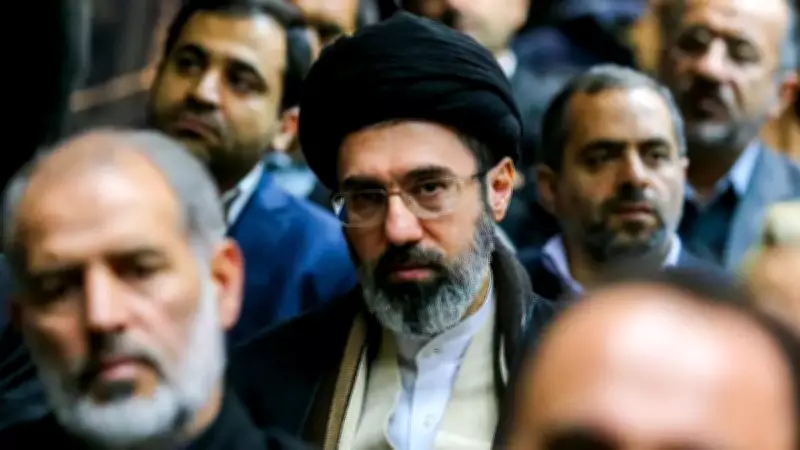
Iran Rejects US Ceasefire Proposal Amid Rising War Tensions
In a significant diplomatic development, Iran has officially snubbed a United States proposal for a 48-hour ceasefire, as reported on April 4, 2026. This rejection comes at a time when war tensions in the Middle East are mounting, raising concerns about potential escalation and regional instability.
Details of the Ceasefire Proposal
The US had put forward a ceasefire plan aimed at de-escalating hostilities in the region. The proposal specifically called for a temporary halt to hostilities for a period of 48 hours, intended to create a window for dialogue and reduce immediate conflict risks. However, Iran's response was swift and dismissive, indicating a firm stance against external intervention.
Iran's Stance and Regional Implications
Iran's rejection of the ceasefire proposal underscores its assertive posture in the face of US diplomatic efforts. This move is seen as a signal of Iran's unwillingness to compromise on its strategic interests, potentially exacerbating existing tensions. The region, already fraught with geopolitical rivalries, now faces heightened risks of conflict, with analysts warning of possible military confrontations.

Key factors contributing to the tension include:
- Ongoing proxy conflicts involving regional actors.
- Disputes over nuclear programs and sanctions.
- Historical animosities between Iran and the US.
Global Reactions and Future Outlook
The international community is closely monitoring the situation, with many countries expressing concern over the potential for war. The rejection of the ceasefire proposal may prompt further diplomatic maneuvers or, in a worst-case scenario, lead to increased military posturing. Experts suggest that without immediate de-escalation efforts, the region could slide into a broader conflict, impacting global security and economy.
As tensions mount, the need for constructive dialogue becomes ever more critical to prevent a full-scale war.






